YouTube was founded by a small team in California, North America on the 14th of February 2005. It was initially created when its founders: Steve Chen, Jawed Karim, and Chad Hurley discussed problems they had sharing home videos they had recorded. They formed a small team and began working on a website that we now know as YouTube. On the 13th of November 2006, after seeing the early success of the platform, Google decided to purchase this company for $1.65 billion.
Han
Since its creation, YouTube has been a kick-starter for huge household names that almost everyone knows, including the likes of Justin Bieber, Shawn Mendes and Carly-Rae Jepsen. However, in its early days, most people knew the website for the viral videos that had been uploaded on it. This included ‘Charlie Bit My Finger’, which has amassed over 868 million views, ‘David After Dentist’, which has over 138 million views and ‘Evolution of Dance’ that stands at a staggering 305 million views. If these types of videos were created in this day, it would be highly unlikely that they would see the same volume of success. This is due to thousands of creators having such a high production value, which leads to audiences expecting this same production value on other videos. Over the years, as YouTube has evolved and grown, it’s harder to identify what is considered to be a viral video.
Cheye
In an interview with the creator of ‘Charlie Bit My Finger’, the father claims that he created the future viral video as he found the moment between the brothers to be amusing and he had planned to share the video with his children’s godfather who lived overseas. Due to being unable to send the content via email, the father chose to instead upload the video privately to YouTube. It was only when other family members requested to see the video that he decided to make the video public. After doing this, unaware to the father, the video had been viewed by thousands. This was only discovered when a few months after uploading the video, the father intended to remove it, however after the discovery of the video’s success, he decided to let it remain on YouTube, where it later gained millions of views.
Dan
With YouTube gaining a much larger audience since it was created, there are thousands more videos that easily hit the 1 million view mark. Creators like ‘Pewdiepie’, ‘Jake Paul’ and ‘KSI’ even manage to create multiple videos per week and still achieve this level of viewership. Looking at a video statistic website known as Socialblade, it offers a better insight at just how much money these creators earn from their videos and the crazy part is that these YouTubers also have other sources of revenue like merchandise, sponsorships and even crowdfunding websites. Some YouTubers like Jake Paul are more than happy sharing what they spend their money on in their videos, whereas other creators are a lot more reserved in showing what they purchase.
Han
It’s big YouTubers like Logan and Jake Paul who often leave a more negative impression on mainstream media of what YouTube is really like, leading to a lot of negative press on YouTube as a whole. Viewers of any articles, videos or any other forms of content created by mainstream media are often left with a negative impression on the platform because of the actions of a small number of creators. In this documentary, we plan to inform parents, older generations, children even on what YouTube is really like. We’ll be researching the bigger creators to find out what impact they have. We will also be interviewing YouTubers to get their thoughts on the platform and talk about the positives and negatives of being a YouTuber. To top all of that, we will also be visiting YouTube Space London to get an insider’s perspective.
3 Minutes 37 Seconds
Can YouTube be a Career? – Dan
Since it’s creation in 2005, YouTube has become the home to thousands of content creators. Each of these creators make different videos and have different personalities, however, what we want to know is can YouTube be a sustainable career? Creating this documentary, we thought it would be a good idea to get the insight of creators themselves to see what they had to say about YouTube being a full-time job. With YouTube stars being busy people, what with some of them creating multiple videos a week, to find YouTubers who’d be free to talk about this subject, we headed off to YouTube Space London. The YouTube Space is where all creators above 10,000 subscribers are free to attend to talk with other YouTubers and even record and produce their videos. Luckily, at the time we attended, there were plenty of creators who were happy to discuss whether or not YouTube could be a sustainable career. Here’s what they had to say on the topic:
*YouTubers Interview*
After interviewing the YouTubers, it became clear to us that the vast majority believed YouTube can be a viable career path, however, as Sammy Paul mentioned ”it’s a tough game and it’s transparent when people are creating videos with the core intention of making money”. Paul also suggested that it should start off as a hobby, something that I personally agree with. When it came to making this documentary, I felt really passionate about the project due to the fact that I make a living on the YouTube platform. For me, it started off as a hobby years ago and eventually transitioned into a money-making opportunity. In my experience, it can be really hard to make it on YouTube and your success doesn’t come without it’s fair share of hard work or stress. YouTube is also self-employment, meaning that it’s not the most reliable source of income. You do get to choose your hours, however, if you go through a bad patch, that can mean you’re left struggling for cash. Bigger YouTubers don’t have this problem, seeing as some can go through a difficult time and still thrive on the money they’ve made, however as previously stated, their success is earned. As well as this, bigger YouTubers also tend to have other sources of revenue, away from just creating videos. A lot of them, for example ‘Sidemen’ and ‘Mr Beast’ h ave successful clothing merchandise, with others like ‘Joe Sugg’ and ‘Kian and Jc’ having launched successful books. Sugg has a series of fictional books, whereas ‘Kian and Jc’s’ book is a self-written biography. So can YouTube be a sustainable career? The short answer is yes. However, after conducting a lot of research, interviewing other YouTubers and applying our own knowledge, the longer answer is yes, but it doesn’t come without hard work and even then, if you’re not a massive channel, you might still struggle to get by. If you plan to make YouTube a career to make money from, it can also be transparent to people, so maybe start it off as a hobby and eventually it might become a money-making opportunity and sustainable career.
2 minutes 52 seconds (W/out interviews)
YouTube’s Influence on Children
Han:
As YouTube increases in popularity, the amount of channels targeted at children is rising. YouTube is becoming more and more main stream and the creators are seeing the gap in the market for content targeted at children. After conducting primary research, I’ve seen that adults tend to take a dislike to these people creating content for children. ________ children Say that their favourite YouTubers are Jake Paul and Logan Paul, however, _____ adults say that these are their least favourite YouTubers due to their controversial actions.
Jake Paul and Logan Paul are brothers from Ohio. They began creating content on vine and quickly moved over to YouTube. We looked into the Paul brothers when doing secondary research and they seem to always be in the public eye for the wrong reasons.
Jake Paul was the star of Disney Channels ‘Bizardvaark’ but on July 23rd 2017, Jake announced on his twitter that he and Disney had parted ways. It was later confirmed by Jake himself that he had lost his contract. The press surrounding Jake at the time gives us a better insight as to why he was fired. Jake was on the channel 5 news 3 days prior to his announcement, about the chaos he had caused in his neighbourhood, this included setting his pool on fire, destroying property, revving his motorcycle in the streets and a lot more. This is not the only controversy Jake had been in either. On August 18th 2017, Jake posted a video titled ‘my assistant was assaulted…’ in this video Jake claims that his assistant was assaulted by another YouTuber, Faze Banks, who happens to be Jakes ex girlfriends new boyfriend. They even went so far to show the “bruises” on the assistants neck. This claim was debunked when witnesses came forward and said this never happened. All of this was publicly shown on Jakes channel, where his young and impressionable fans could watch.
Even though Jakes actions are inexcusable, his brother Logan Paul took it too far on the 31st December 2017. This was the day Logan uploaded a video titled “We Found A Dead Body in The Japanese Suicide Forest” where he and his friends filmed the body and were laughing in the situation at the Aokigahara, a sacred forest near Mount Fuji known as the ‘suicide forest’. At this point in time, Logan had more than 15 million subscribers and the video received more than 6 million views. Logan deleted the video more than 24 hours later, meaning that plenty of his young fans had more than a day to watch it. This video and the effect on his young audience made main stream media news and as a result Logan began to lose subscribers and stopped uploading daily vlogs. On the 2nd of January 2018, Logan uploaded an apology video and began his YouTube hiatus. On January 24th, Logan uploaded a video titled ‘suicide: be here tomorrow’ where he talks with suicide survivors and pledges to donate one million dollars to suicide prevention in attempts to save his reputation.
Another YouTuber who’s main demographic is children is Morgz. Morgz is a 17 year old British YouTuber who is popular for his challenge videos, although if you look closer at his thumbnails and the content he’s producing, you’d question why his demographic is children. Morgz has come under fire for creating inappropriate thumbnails and video titles in the past, mainly of his girlfriend or his mother. A recent controversy surrounding Morgz was him advertising gambling to his young audience. Not only was Morgz too young to be gambling, but encouraging his young audience to do so was irresponsible.
In conclusion, YouTube stars are very strategic when aiming their content at children, but they need to be careful with what they’re putting on the internet. Although the children aren’t going to call them out on what they do wrong, when anyone older comes across the videos then they’re going to receive necessary backlash.
Cheye
Ever since the start of YouTube, the community and the social surrounding has constantly been changing. At the start, creators tended to be more tame as the website was (for the most part) being used as a platform for home videos to be uploaded. As YouTube evolved and gained more popularity, the tones of its creators gradually began to change. For the most part, YouTubers behaved relatively well, keeping within the terms of service. However, one major turning point came with the rise in popularity of vlogging. Vlogging is a type of content where creators film their daily routine and everyday lives. As it gained popularity, many creators devoted their channels to creating this type of content. When Vine (which was also a popular platform on the internet) discontinued it’s services, many of the popular creators from that platform switched over to YouTube. This gave popular vine creators more creative freedom as they weren’t limited to creating six second videos on YouTube, like they were on Vine and many of these creators adapted their content to previous established genres like vlogging. Two big viners (both of which we’ve previously mentioned) who quickly gained popularity on YouTube were ‘Logan Paul’ and his brother, ‘Jake Paul’. These creators quickly adapted to the vlogging genre, however, they were no where near as tame as other popular vloggers at the time. Often performing devilish activities and dangerous stunts, in their early days on YouTube, they often overstepped the mark. Jake Paul (who at the time was employed by Disney as a cast member on one of their children’s shows) filmed his hectic antics on a daily basis, gaining at one point over 2 million subscribers a month. In the process, he became a known disturbance to his neighbours who at one point started a petition to remove him from his home. Having shared the address of where he lived, this attracted hundreds of fans to swarm the streets in which he resided, causing a lot of hassle in the process for residents living in this area. One of the neighbours compared living in the same neighbourhood as Jake Paul to like living in a war zone, proving how his antics often pushed his neighbours to the limit. Jake’s brother ‘Logan Paul’ is another controversial figure on YouTube. Unlike his brother, he seems a bit tamer, however his actions are often worse. As we spoke about in the segment regarding Logan’s influence on children, his biggest controversy occurred when he filmed a dead body in Japan’s Aokigahara forest (often known as the suicide forest). As well as this Logan Paul has been involved in other controversies such as being a disturbance in his trip to Italy with him flying his drone near the Colosseum in a strictly no-drone area. There are a lot more controversies of which Logan Paul has been connected to which proves why he and his brother, Jake have given YouTubers (especially the vlogging community) a bad reputation.
Even though there are creators who ruin the reputation of the term ‘YouTuber’, there are also many others who perform kind acts which often get overshadowed by other creator’s controversies. Markiplier is a popular YouTube gamer with over 23 million subscribers. As well as making popular videos which gain millions of views, he has also been known to raise a lot of money for charity and good causes. Markiplier is an example of a creator who uses their platform for good, however as previously stated, his actions are often forgotten due to the extreme behaviour of creators in similar genres. YouTube is not only a positive platform due to a select few of it’s creators, but also for the videos that get uploaded to the platform. Every day, hundreds of tutorials are uploaded to YouTube, which ultimately aim to to help people. On YouTube, the ‘tutorial’ genre is extremely helpful and millions of casual YouTube viewers rely on tutorials to complete specific tasks. As well as creators who raise money for charity and create videos aimed to help people, there are also YouTubers who devote their channel to preaching positivity and offering people advice. Again, these channels are often hidden behind those of which who cause controversy, but are there for people to turn to for inspiration and advice.
Overall, even though there are many YouTubers who provide negativity and controversies which overshadow a lot of other creators, there are YouTubers out there who devote their time to good causes. YouTube can be a positive platform as well as a negative one, depending on who and what you watch.
4 minutes and 23 seconds
Everyone
Dan: When planning on creating this documentary, we knew we needed a unique selling point, something that would make our project truly stand out from others. Since our project focused on YouTube as a platform, an idea we decided would work well in our documentary would be interviewing someone who makes a living on the platform.
Cheye: We weren’t short on ideas for YouTubers who we wanted to interview, however due to a lot of them being busy people, it was a difficult process to reach out to them to get a moment of their time. Thankfully, one of the creators we approached was more than happy to be interviewed about the platform.
Han: Bird Keeper Toby is a YouTuber with over 200,000 subscribers who makes videos about the ‘Pokemon’ franchise. His channel was created in 2015 and his most popular video rests on over 840,000 views. In the past, Toby has attended events of Pokemon as a special guest, even getting the chance to play games early before their release. Creating questions for Toby, we wanted to find out what his experience on YouTube had been like and in the interview, he had some pretty interesting things to say.
*Toby Interview*
Cheye: Toby managed to give a lot of insight on the YouTube platform and after our interview, we were left wanting to find answers from more YouTubers. For us, just landing one YouTuber to interview was difficult, so we knew we had to up our game.
Dan: As a group, we discussed different ideas on how we could get more YouTubers to interview for our project and we decided on attending a creator day in the YouTube Space building in London. YouTube Space is a building set up by YouTube aimed to support creators. Any YouTuber with over 10,000 subscribers is allowed to access the building, where they can do a handful of things, like produce and edit videos and socialise with other content creators.
Han: Once we all agreed on a date to attend one of these events, the next thing we needed to do was arrange our transport to London. Thankfully the MegaBus offered cheap tickets, however the journey there and back was not the most comfortable. In one day, we travelled to and from London, trapped in a bus for just under 10 hours.
Cheye: We arrived in London very early in the morning, so we decided to do a bit of sightseeing ahead of the event we were attending. At 10AM, YouTube Space opened it’s doors for creators to attend the event and as we entered, we were given badges to prove our identification.
Han: Now that we were in the building, the next step we had to take was to recruit YouTubers to interview for the project. Approaching strangers to ask to interview them was a somewhat of a weak point for our group as we were all too nervous to do so, however after plucking up the courage to ask, we had a handful of people who were happy to help with our cause.
*YouTuber Interviews*
Dan: The YouTubers who we interviewed all gave a helpful insight on the YouTube platform and they had only positive words of praise to say. Overall, what we learned from our trip to YouTube Space London is that creating videos full-time isn’t as easy as some people may think. A lot of patience must go into content creation, with the acceptance that not every video you publish may perform well. When previously asking these creators about whether or not YouTube could be a career path for future generations, most of them were confident in saying that it could be, however some did have their hesitations. YouTube isn’t an easy platform to be discovered on, however, if creating videos starts a hobby and eventually becomes a money-making opportunity, that’s a much more natural process than creating a YouTube channel purely with the intention of generating money.
Our Opinions
Throughout this documentary, we have maintained an unbiased stance in order to fairly determine various factors – like can YouTube be a future career? It’s influence on children and the positive and negative effects of the platform. Upon completing this research, our own prior opinions on the platform have changed. Being avid users of the website, we forged our own thoughts and recorded what we thought about the platform before beginning the researching process of this project.
*Our Interviews Before The Documentary*
Since we began working on our project and learned more information about YouTube, all of our opinions have changed. So here’s what we thought about the platform after participating in this documentary.
*Our Interviews After The Documentary*
Notes
Aokigahara = Eye-oh-key-ga-ha-ra
MusicCollegeTV #1 says yes as it is a good place to create and share content.
MusicCollegeTV #2 says yes. It’s about empowering yourself. Talks about easier access to camera. ”Anyone can be a media entrepreneur from their bedroom”.
TurkishLDM TV/AFTV says he would, but warn to be careful due to politics and changes to come to the platform. He would recommend it, but think about the sustainability.
”It’s managed by sources outside of your control”.
AFTV #2 says yes. It has to be something you are interested in and if you are fortunate to, absolutely.
Sammy Paul says no. It’s a tough game. Thinks that its transparent when someone is creating videos with the core intention of making money. Should start as a hobby.
In today’s society and with the digital revolution we are constantly observing and being observed.
Idea 1 – Bruce Almighty
For our project, we first considered covering the topic of re-tell, reboot or reimagine.
Generating ideas for what we would like to recreate, we considered various movies. One movie that we almost chose to recreate scenes from was ‘Bruce Almighty’. Due to the story of this film (a man gaining powers of a God), there were a lot of scenes that had potential to be remade. One scene we particularly liked was the following:
At the start of this video, the protagonist is seen walking on water, an effect that was portrayed very well in the movie. Wanting to learn how this effect was produced, I searched YouTube to see if there were any tutorials available showing how to create this effect. Thankfully, there was. The following tutorial showed me how this effect could have been created.
In the tutorial video, the video-maker, ‘Jordy’ created a wooden board that could placed in the water and later walked on it to create the effect. Jordy ran into a problem when creating this video as the wooden board floated when one side of it was stood on. To overcome this issue, he attached rocks to the board to ensure it wouldn’t float. After this, Jordy filmed him walking on this board in the water with part of the shore being visible in the recording.
After this, Jordy recorded the lake on it’s own, with no shore present in the video. In Premiere Pro, he then showed how by placing the video layer with just the water above the walking on water layer, it could then be merged together using feathering to create this realistic and believable effect.
This was a surprisingly easy effect to recreate, however, we decided against recreating Bruce Almighty due to other ideas we had in the idea generation process.
Idea 2 – Star Wars
Another film I considered remaking a scene from was ‘Star Wars: The Phantom Menace’. Being a huge Star Wars fan, I wanted to recreate a fight scene between the characters ‘Qui-Gon’ and ‘Obi-Wan’ against the villainous ‘Darth Maul’. The following is the scene that I wanted to recreate:
Visually, this scene is pleasing as the characters take part in a huge battle and seeing the effects of the lightsabers adds to this scene looking visually good. I also wanted to recreate this as the music and foley used adds to the tension of the scene. Thinking about audio elements to create for my FMP, this would have been a good scene to recreate, however I preferred other ideas when discussing them, so decided not to make my own version of this scene for my FMP.
Wanting to learn how to create the effect of a lightsaber, I searched for a tutorial on YouTube. The following video is the tutorial that I researched:
In this tutorial, the creator of the video shows how this effect is made using masking layers on After Effects. Not knowing a lot about After Effects, this did deter me from recreating this scene, however, eager to overcome my lack of knowledge, I watched the video to further learn how to make this affect. Overall, after learning how to create this effect, I don’t think the scene would have been too difficult to recreate, however, due to us preferring a different idea from the idea generation process, we chose not to recreate this scene from Star Wars.
Idea 3 – YouTube Documentary (My Chosen Idea)
When considering the topic of screen life, I started to think about how an idea could be applied to a general audience. I began to generate ideas for what social media platforms people use the most and being an avid user of the platform ‘YouTube’, I became invested in the idea of creating a documentary centralized on this platform. As a group, we further discussed the potential of YouTube being our chosen idea to create a documentary about. Applying everyone’s prior knowledge and experiences on the website, we decided it would be a good basis for a documentary to be made about. As well as this, with us all of us having had good experiences on the website, we wanted to learn more about the negative side of YouTube. With the topic of YouTube, there is a lot of potential in terms of primary and secondary research. For primary research, our group intends to create questionnaires and interview a YouTube creator who makes a living on the website. As for secondary, YouTube itself offers various videos and content creators to explore, whereas we also intend to educate ourselves more on the layout of a documentary by researching some. Our documentary will be roughly between 10-20 minutes long. Although there is a lot to cover on this topic, we don’t want to drag on any points for longer than required and instead, get into each point in full detail in good time. Also, if our documentary is too long in length, viewer abandonment is more likely to occur as not everyone may have the time to watch a long documentary about YouTube.
Target Audience
For this project, we intend to create this documentary aimed at parents and adults. We wish to provide information to inform older generations about the good and bad sides of YouTube. Additionally, parents (who may allow their children to watch YouTube) can be further educated on the safety of allowing their children to access the website. An adult audience may vary in age and could be anywhere between ages 25 and onward. Although our primary target audience is parents and adults, we also wish to inform younger generations of the realism of being a full-time YouTube creator and how hard it may be to create content consistently. We will do this by applying our own experiences, interviewing a YouTube star and applying our primary and secondary research.
Unique Selling Point/USP
For our project to stand out, we will need to have a unique selling point that is exclusive to our idea. Our documentary will have two unique selling points. The first unique selling point for our project will be our group attending a secondary school class to show a presentation to a younger audience and then interview them. To do this, we will need to get permission from the school, which if refused will leave us without this USP.
Our second USP will be our group travelling to YouTube Space in London to interview members of staff and other YouTubers. I know this will be a good USP as I believe no one else will go the effort of sorting through paperwork, travel arrangements etc. for a trip to such a distant city. As well as this, the trip to YouTube Space will provide helpful research that will be applied to our project.
Mind Map
For my project, I created a mind map in order to generate ideas for what would be included in the YouTube documentary. I ended up creating a lot of sub-topics that would later be discussed about in the documentary for YouTube.
We intend on starting the documentary by giving a brief history of YouTube. From the ideas generated on my mind map, I will discuss the first wave of viral videos that gave YouTube the attention that it did. I will also go into detail on how YouTube managed to sustain it’s popularity as time passed and talk about other videos and content creators that kept an audience returning to the platform. YouTube has a rich history of viral videos. Some of the most popular and well-known include ‘Charlie Bit My Finger’ (uploaded May 22nd 2007) and ‘Numa Numa’ (uploaded December 11th 2006).
Another idea we had for our documentary that originated from the idea generation/mind-mapping process was to discuss if YouTube could potentially be a career for current and future generations. For this, we intend on talking about sub-topics like if YouTube is a sustainable platform and discuss other potential sources of revenue surrounding YouTube. We also plan to interview a full-time YouTuber to get their opinions on the platform and to get more educated on what it is like to create videos on YouTube on a full-time basis. As well as this, we’d like to discuss at what point creating YouTube videos becomes a full-time job and how likely it is to generate a living wage on the platform.
After thinking of the topic of YouTube being a full-time career, my next idea that follows on my mind map is what do people want from YouTube? For this section of the documentary, I intend on finding out why it is that people begin making videos in the first place and what rewards they think will follow. We will delve into finding out what comes from running a popular YouTube channel, be it financial benefits, an audience etc. Branching off from this topic, we will also discuss current YouTubers who are thriving on the platform and acknowledge their break into mainstream media.
Research is another important process for creating this documentary. On my mind map, I have identified various methods of research for this project. We will be creating questionnaires to hand out to the adult demographic to find out what they think about YouTube. We also intend on creating a similar questionnaire for a younger demographic. From both questionnaires, we will compare and analyse the results and discuss the differences/similarities in our documentary. We will also be visiting the YouTube Space London building to interview the workers of YouTube to get their opinions on the platform for a wider range of results. For secondary research, we will be investigating viral videos from YouTube and take a look at various content creators and their contributions to the platform.
Although the documentary will be unbiased, towards the end of the project, we will dedicate a section to our personal opinions and experiences with YouTube. We wish to do this as different members of our group working on the project have different thoughts about the platform and by giving our own opinions, we will be providing a wider perspective of YouTube. We also have our own experiences on YouTube, so it will be interesting delving into what each member of the team has experienced on the platform. As well as this, in this section, each of us will talking about our prior knowledge of YouTube and our thoughts going into this project.
Mood Board
Assigning Roles and Dividing Work in a Group
As we will be working in a group to create this documentary, it is important that we divide the work between us equally and assign ourselves roles and tasks to complete. Our documentary will be set up into several sections, with each section being edited by different members of the group. As well as this, there are other tasks which we will divide between us to complete.
The documentary sections and who edits each section are as follows:
Title Sequence (created by Hannah)
The History of YouTube (edited by Hannah)
Can YouTube be a Career? (edited by Dan)
YouTube’s Influence on Children (edited by Hannah)
The Positives & Negatives of YouTube (edited by Cheye)
Trip to London and YouTuber Interviews (edited by Dan and Cheye)
Our opinions (edited by Dan)
Pre-Production
Storyboard
During the pre-production process of this project, I had to create a storyboard to visualize the structure of my documentary. I created my storyboard using Adobe Photoshop and wrote in better detail the contents of each segment of our documentary. This included writing about the length of each segment and audio used, as well as what each scene entailed.
Below is my finished version of my storyboard:
Script
When scripting the documentary, we decided to fairly divide the work between the three of us. After we had all scripted our designated sections, we combined our sections on one document and ensured each section transition smoothly.
After this, Hannah then re-formatted the script. The following is a link to the finished version of the script:
The sections that I completed for our script are the following:
History of YouTube
Can YouTube be a Career?
YouTuber Interview and YouTube Space Visit
Our Opinions
London Booking
Our unique selling point for our documentary is that we will be visiting the YouTube headquarters to interview YouTubers and find out what they think about the platform.
In order to accquire access to the YouTube Space building, a tutorial would need to have been completed on the YouTube website to ‘unlock the space’ feature. To complete this process, a channel with over 10,000 subscribers would be required. Since one of the members in our group had met this requirement, we were able to complete this process and access the application to attend the building.
After receiving our confirmation email letting us know we had been booked into the YouTube Space as part of an event, we then had to buy tickets for transport to London. We travelled to London on April the 17th 2019 to attend our 10AM booking.
We used the services of ‘MegaBus’ for travelling to London as the company offered cheap tickets to London and allowed for us to return on the same day for when production had been completed.
On April 17th, we travelled from Swansea at 12:25AM and arrived in London at 5AM and on our return journey, we left London at 7PM, arriving in Swansea at 11:25PM.
Equipment List
For our production in London, we have had to ensure what equipment we will need to take with us to use. The following image showcases all equipment/resources we needed for our trip.
Location Reece
Scenes Filmed
The scenes that we will be filming at YouTube Space London will mostly be interviews of other YouTubers and staff employed by YouTube. We will be interviewing these people at the YouTube Space Café as this is the location area of the event we have booked to attend. As well as interviews, we will also be filming B-Roll at YouTube Space that we can use as footage in our documentary.
Potential Hazards
As travelling to London is a fairly big journey, there are multiple hazards to take into consideration. Firstly, carrying a lot of equipment could be dangerous as we could lose items. We will ensure to minimise this risk by ensuring we take only what is nessecary and equip the items to our persons at all times. As well as this, another safety hazard that could occur when filming is tripping over loose wires. To ensure this does not cause any problems, we will secure any loose wires. There are other safety problems to be taken into consideration that are listed in the risk assessment.
Risk Assessment
Risk assessment completed by Hannah Williams, who is leader of pre-production work.
London Itinery
For our trip to London, we needed to create an itinery that we would follow during our time there.
At 12:25AM we will be boarding our bus to London, latter arriving at 5AM. Since the YouTube Space building does not open until 10AM, we will be mostly taking location shots and B-roll footage for our documentary up until then.
At 10AM, we will be entering the YouTube Space building and exploring the inside of YouTube’s headquarters. During our time here we will also be interviewing members of staff and other YouTubers who have attended YouTube Space.
After leaving YouTube Space, we will find a restaurant to have dinner and whilst eating, we will be reviewing the footage we have captured to determine if we need to reshoot anything or capture more footage.
After lunch, we will complete any nessecary reshoots and travel to Leicester Square to interview members of the public on their knowledge of YouTube and ask which YouTubers they watch.
Completely this part of production, we will then travel back to Victoria Coach Station to board our bus to return home.
Call Sheet
Budget
For this trip, the only thing we needed to spend any money on was tickets for the coach and transport in London. Altogether, the tickets for the three of us cost £93.75, which divided between us was £31.25 each. We also needed £15 each for transport in London and any additional funds for food and drink during the day. This was everything we needed to spend money on, so the total budget was £66.25 each (including £20 spent on food and water each).
Production EquipmentCost
Due to renting some of the equipment from the college and personal items, we did not need to spend any money on equipment.
Production Day Items Cost
As you can see, the total cost for our production day is £198.75. This equates to £66.25 each.
Post-Production Equipment Cost
The amount of money we had to spend on post-production equipment was £0 as all equipment was either an item provided by the college or a personal item.
Contributors
The contributors for our project were the YouTubers who we interviewed for our documentary. They are as follows:
Toby Hill / Bird Keeper Toby
Toby was a part of our planned interview with a YouTuber and he runs the YouTube channel ‘Bird Keeper Toby’
John Pickard is a well-known person in the media industry, having written, directed and starred in various productions in the UK. He is also a member of a YouTube group known as ‘MusicCollegeTV’ and provided us with helpful answers when being interviewed.
Sammy Paul is a YouTuber who has been producing videos since the early days of YouTube and gave a valuable and realistic insight on the life of being a full-time YouTuber.
On our trip to London, we took two cameras. One camera was used to record footage, whereas the other was dedicated to taking photographs of our trip.
Contact Sheet
Behind the Scenes Footage
The following footage is behind the scenes of interviewing a YouTuber at YouTube Space London.
Sorting Footage
When we arrived home from our London trip, one of the first tasks we completed as a group was sorting through the captured footage during our journey to YouTube Space London. We created a folder called ‘YouTube Documentary’ and arranged the footage from good and bad.
Our ‘good footage’ folder consists of all the media captured that we deemed useable in our documentary. It took a long time to sort through all the footage due to there being so much that we captured, however it’s better to have more footage than you need than not having enough.
After sorting through all our footage, we made sure to create back ups of our work and we made sure that everyone in the group had a copy of the clips.
Another folder we created was ‘Toby Interview’ which consisted of all audio and media we captured from interviewing Bird Keeper Toby. Once again, we made sure to back up this footage.
Recording and Editing Audio
For our project, the majority of our audio needs to be recorded as narration. Although our documentary includes live-action segments, for the most part, we will be narrating the events that unfold in our work. Because of this, we will need to spend time in the recording studio to record the narration for our documentary.
After booking time in the recording studio, we ran into many problems. The first problem we faced was not being able to get the microphone in the studio to work. With the assistance of our audio tutor, this problem was soon sorted, however we were than faced with several other issues such as audio not playing back. Due to all the problems we faced, we were unable to record any narration for our documentary in the recording studio and because other people also needed to access the studio for their work, there were no other available time slots for us to return to record our narration.
To overcome this problem, we decided to record the audio for our documentary from my home microphone. Although the audio might not be as good in quality as it would have been had we recorded in the studio, due to time restraints, we needed to take action. My microphone is a ‘Blue Yeti’, often regarded as the ”best USB microphone” and it is a well-performing and reliable recording device. Websites such as ‘soundguys.com’ have considered it to be the highest performing microphone of the USB variety, so although we failed to record in the studio, our audio was still clear and of good quality. As well as this, sound restriction objects such as ‘sound pads’ and ‘pop filters’ ensured there was no echo or unwanted noise in our audio.
The program that we used to record our audio is known as ‘Audacity’ and it is a recording program that includes features to edit and alter audio to better the recording.
After we all recorded our audio, it was my responsibilty to use the program to edit the audio and to ensure that no unwanted noise made it into the final version of the edited audio. Using features such as ‘noise reduction’ and ‘equalisation’, I made sure that our documentary’s audio did not feature any buzzing sounds, unwanted background audio etc. And that the audio levels were all equal.
Thumbnail and Poster
For the FMP, we decided to create individual thumbnails for our documentary. I created my thumbnail using the software ‘Adobe Photoshop’.
My idea for a thumbnail was to take the thumbnails from famous YouTubers to minimise them and use them as my background. Having to find over a hundred different YouTubers to find a thumbnail for was a long and tedius process.
For the dimensions of my thumbnail, I used the width of 1280 pixels and height of 720 pixels. The resolution set was 72 pixels.
After creating the canvas for my thumbnail, I then searched for different popular creator’s YouTube channels to copy one of their thumbnails from to then paste onto my canvas.
I decided to limit myself to using one thumbnail from each creator as I felt that if I used multiple thumbnails from one creator, it may seem like I was letting my preferences affect how my overall thumbnail turned out. It also made my thumbnail more structured to follow this rule I had set myself.
With the help of the ‘lock guide’ tool provided on Adobe Photoshop, I aligned each thumbnail and made sure they matched up, with no thumbnail sticking out.
During the process of creating my thumbnail, I had to determine how many thumbnails I needed to use and how many I had to fit on each row.
After creating multiple rows of thumbnails, I took time to reflect on my work and judge whether or not my idea for a thumbnail would work. With what I had already created, I was confident that I could make a visually pleasing thumbnail.
Once I had completed creating rows of various thumbnails, I then realised how by including all these thumbnails that had various colours, it created a bit of an eyesore due to the varied contrast.
I then had to apply a solution to make my work look better.
Next, I created a new layer and using the paint bucket tool, I made the new layer completely black. I moved this layer above all other layers on Photoshop and changed the opacity. I lowered the opacity enough so that the thumbnails I used in my work would be visible, but would also look a lot darker
After deciding on how dark my background would need to be, I applied the YouTube logo to my work.
The YouTube logo is the main part of the thumbnail. It is important to include this as it shows what the documentary is about
Analysing what I had already created, I determined that the background needed a bit of colour. Using the hue/saturation tool on Adobe Photoshop, I adjusted the colour of my thumbnail until I was happy with what was produced.
I decided to use a blue colour due to it having a good contrast with the red colour used on the YouTube logo.
The next process in creating my thumbnail was to add text. Finding a font that I liked and suited the thumbnail was difficult, but once I found a suitable font, I added the title of the documentary ‘beyond the screen’ and had then completed this part of the thumbnail.
This is my completed thumbnail. I like it because it clearly represents the idea of our documentary. Even though ‘YouTube’ isn’t stated in text, the thumbnail does include a bold image of the logo for YouTube, which is known to a lot of people. Even if people don’t know what the logo is, when accompanied by the title of this documentary, it will still be clear what the documentary is about.
Something else I like about my documentary thumbnail is the use of colours. As previously stated, I used contrasting colours that work together and the result of this is me having created a visually-pleasing thumbnail that stands out and looks good
Post-Production
As previously stated, due to us working in a group, we had to divide work between us fairly.
The documentary sections and who edits each section are as follows:
Title Sequence (created by Hannah)
The History of YouTube (edited by Hannah)
Can YouTube be a Career? (edited by Dan)
YouTube’s Influence on Children (edited by Hannah)
The Positives & Negatives of YouTube (edited by Cheye)
Trip to London and YouTuber Interviews (edited by Dan and Cheye)
Our opinions (edited by Dan)
The sections I edited for our documentary were:
Can YouTube Be A Career?
Trip to London and YouTuber Interview
Our opinions
I edited my sections for the documentary using Adobe Premiere.
Creating a Title Sequence
Before I began editing, I created a title sequence for my work to be edited on. To create a title sequence on Adobe Premiere, I needed to select ‘file’, ‘new’ and then ‘new title sequence’.
Importing Media
Our documentary was made up of various pieces of footage we captured during the production process. To use this footage, it needed to be imported onto Adobe Premiere.
In order to import media, I used the ‘right-click’ option on the mouse and then selected ‘import’.
After selecting ‘import’, I then located the media that needed to be imported so that I could use them in our documentary.
Keyframes
Although I have used Adobe Premiere for previous project, I have never learned how to use keyframes. For our project, we decided on an editing style that everyone in the group would adhere to and the chosen style included the use of keyframes, so it was important for me to learn how to use this feature on the Adobe program.
In order to create a keyframe, the media that needed to use this feature would have to be selected. Doing this opened the effects panel where keyframes could be created.
After this, I then needed to select the icon which resembled a timer to create a keyframe.
After the first keyframe had been created, I then created another keyframe set after where the first had be placed. To create a second keyframe, I needed to select a different icon, which resembled a diamond shape.
After creating keyframes, this then allowed for me to adhere to our chosen editing style, which overall made the documentary flow better when all edited sections had been combined.
Controlling Audio Levels
During post-production, I also used Adobe Premiere to manage the audio levels of different media used in our documentary. To do this, I selected the audio tab and controlled the levels of various footage that was used.
To control the audio, I dragged the slider either up or down to ensure the audio was at the correct level and not too loud or not quiet.
During post-production we realised it was important for all audio levels to be similar so that the documentary would sound more fluid and not be too loud or too quiet at certain points.
In order to ensure that the audio stayed smooth when switching between different forms of media, we used ‘audio transitions’ which allowed for a cleaner transition between footage. The most common crossfade transition I used when editing was ‘constant gain’ to ensure that the shift between different pieces of audio was fluid and didn’t sound unnatural.
Producing Title Cards
Part of my responsibility for this project is to create the title cards that we will be using to introduce each new person in the ‘interviews’ segment. To create the title cards, I will be using Adobe After Effects.
First, I created a new composition for the project to be made on.
After this, I used the ‘grid and guide options’ tool to create a guideline for my project. I used this in order to make the title cards proportionate and to ensure they would be placed where they need to be in the finished project.
Next, I needed to create a rectangle to use for the title card. Before doing this, I used the ruler tool to mark out where the shape would be placed. Using this tool was helpful because when I created the rectangle, it would automatically lock to the set guidelines, which in turn made my work look cleaner.
I then duplicated the rectangle shape multiple times and changed each rectangle a darker shade of red than the other. I did this to add a bit of style and colour to the title card. The reasoning behind why I decided on red was because that colour is heavily connected to YouTube, with the logo and other features of the website being created in that colour.
Next, I added text to the title card. The text represents each person we interviewed for the project. As well as including their real name, I decide to add the name of their YouTube channel, accompanied by the YouTube logo.
After adding text, I was ready to animate my title card. To do this, I had to create a new composition and drag my title card onto the newly-created composition.
I then moved the title card off screen using the selection tool. I did this so that I could begin keyframing and move the title card onto the project. To create a keyframe, I pressed on the blue stopwatch logo and adjusted where each keyframe would go on my timeline.
As this was a basic animation, I only needed to use two keyframes. To create a new keyframe, I selected the blue diamond shape on the bottom-left side of the program. I adjusted these keyframes on the timeline and worked out how far apart each keyframe needed to be.
After completing my animation for the title cards, I rendered the project and then uploaded it to YouTube as evidence of my work.
Editing the Credits
At the very end of the post-production process, we had to create credits for our documentary. Creating credits ensured that everyone who contributed to the project was fairly acknowledged.
In previous projects, we learned how to create a rolling credits effect, however as our group was editing the credits, none of us could remember how to create this effect and due to time constraints, we couldn’t go out of our way to find out how to. Because of this, to overcome the problem we decided on including bloopers of our project in the credits section with the actual credits having a fade transition.
Our Finished Project
I uploaded the finished version of my documentary to my YouTube channels. The following video is our completed project:
I had to present my idea for my FMP to other members of my mentor group and I had to sell the idea that I chose to create. After discussing the project I wished to create, I received most positive feedback, with some constructive criticism from my peers which I had to work on.
What I Need To Improve On
I was advised to research further into what documentary style I would be applying to my work. To do this, I will be researching different documentaries and learn more about how they are created. I was also advised by my peers to research ‘Voice of God’ to learn more about what goes into creating a documentary. Finally, I was advised to consider how the documentary was going to be edited. This project will be the longest that I have worked on, so myself and my group have appointed members with particular sections to edit. After we have edited our sections, we will compare our work and compile the edited sections to create the documentary, adding any necessary changes.
What Went Well
When presenting my work, I was praised for the way I set out my blog. Members of my peer group liked that my website was organised as it made locating work an easier task. Another feature I was praised for was the content of my blog. Although some parts needed work, the majority of my work on my blog was great.
Idea Generation
Topics We Could Choose:
Re-tell, reboot, reimagine
Fake news
Screen life
Discarded
The role of the Observer
In today’s society and with the digital revolution we are constantly observing and being observed.
Analysing the various topics which I could use for my FMP, there were mutliple ideas which I believed I could have created. Although I was happy to work alone, I also discussed the ideas with my friends and we then decided to work together as we all had good ideas to contribute to the project.
Idea 1 – Bruce Almighty
For our project, we first considered covering the topic of re-tell, reboot or reimagine.
Generating ideas for what we would like to recreate, we considered various movies. One movie that we almost chose to recreate scenes from was ‘Bruce Almighty’. Due to the story of this film (a man gaining powers of a God), there were a lot of scenes that had potential to be remade. One scene we particularly liked was the following:
At the start of this video, the protagonist is seen walking on water, an effect that was portrayed very well in the movie. Wanting to learn how this effect was produced, I searched YouTube to see if there were any tutorials available showing how to create this effect. Thankfully, there was. The following tutorial showed me how this effect could have been created.
In the tutorial video, the video-maker, ‘Jordy’ created a wooden board that could placed in the water and later walked on it to create the effect. Jordy ran into a problem when creating this video as the wooden board floated when one side of it was stood on. To overcome this issue, he attached rocks to the board to ensure it wouldn’t float. After this, Jordy filmed him walking on this board in the water with part of the shore being visible in the recording.
After this, Jordy recorded the lake on it’s own, with no shore present in the video. In Premiere Pro, he then showed how by placing the video layer with just the water above the walking on water layer, it could then be merged together using feathering to create this realistic and believable effect.
This was a surprisingly easy effect to recreate, however, we decided against recreating Bruce Almighty due to other ideas we had in the idea generation process.
Idea 2 – Star Wars
Another film I considered remaking a scene from was ‘Star Wars: The Phantom Menace’. Being a huge Star Wars fan, I wanted to recreate a fight scene between the characters ‘Qui-Gon’ and ‘Obi-Wan’ against the villainous ‘Darth Maul’. The following is the scene that I wanted to recreate:
Visually, this scene is pleasing as the characters take part in a huge battle and seeing the effects of the lightsabers adds to this scene looking visually good. I also wanted to recreate this as the music and foley used adds to the tension of the scene. Thinking about audio elements to create for my FMP, this would have been a good scene to recreate, however I preferred other ideas when discussing them, so decided not to make my own version of this scene for my FMP.
Wanting to learn how to create the effect of a lightsaber, I searched for a tutorial on YouTube. The following video is the tutorial that I researched:
In this tutorial, the creator of the video shows how this effect is made using masking layers on After Effects. Not knowing a lot about After Effects, this did deter me from recreating this scene, however, eager to overcome my lack of knowledge, I watched the video to further learn how to make this affect. Overall, after learning how to create this effect, I don’t think the scene would have been too difficult to recreate, however, due to us preferring a different idea from the idea generation process, we chose not to recreate this scene from Star Wars.
Idea 3 – YouTube Documentary (My Chosen Idea)
When considering the topic of screen life, I started to think about how an idea could be applied to a general audience. I began to generate ideas for what social media platforms people use the most and being an avid user of the platform ‘YouTube’, I became invested in the idea of creating a documentary centralized on this platform. As a group, we further discussed the potential of YouTube being our chosen idea to create a documentary about. Applying everyone’s prior knowledge and experiences on the website, we decided it would be a good basis for a documentary to be made about. As well as this, with us all of us having had good experiences on the website, we wanted to learn more about the negative side of YouTube. With the topic of YouTube, there is a lot of potential in terms of primary and secondary research. For primary research, our group intends to create questionnaires and interview a YouTube creator who makes a living on the website. As for secondary, YouTube itself offers various videos and content creators to explore, whereas we also intend to educate ourselves more on the layout of a documentary by researching some. Our documentary will be roughly between 10-20 minutes long. Although there is a lot to cover on this topic, we don’t want to drag on any points for longer than required and instead, get into each point in full detail in good time. Also, if our documentary is too long in length, viewer abandonment is more likely to occur as not everyone may have the time to watch a long documentary about YouTube.
When we decided on our chosen idea, we also thought of a USP that would apply to our work and help it stand out. We had multiple ideas, but settled on two USPs which included visiting YouTube Space in London and interviewing YouTubers who work full-time as creators.
For our documentary, we also chose to create individual mood boards and storyboards to generate more ideas for the project and decide what we would discuss in the documentary.
Reflecting on how long it took us to choose an idea for the project, we didn’t take a lot of time to settle on the idea of creating a documentary. At this point in the creation of the project, we also decided to create a project plan in order to acknowledge deadlines which we would have to adhere to and complete work by.
Primary Research
For the FMP, everyone had different ideas on what they wanted to create their projects about and because of this, this meant that everyone needed to complete different research.
Working in a group, we decided that for primary research we would need to collect information from two different age groups – younger and older audiences. Since we could easily get in contact with older generations via social media, we decided that we would approach a primary/secondary school to gather information from a younger audience. Initially, we planned to attend a class to hand out questionnaires to children in order for them to complete the questionnaires so that we could later analyse and compare the results. To do this, we needed to reach out to a school to request a visit of this nature. Due to convenience of the school being located a close distance away from the college, we approached ‘Dwr Y Felin’ school with this request. We conducted an email to request a visit:
After the visit had been requested via email, we then created the questionnaire which we wanted the young audience to complete, which is attached below:
After completing the questionnaire, we decided that if we were to attend a class to talk to a younger audience, we would need to create visuals in order to keep the young crowd interested in the topic we were talking about. Collectively, we worked on a presentation to show whilst we spoke about the topic of ‘YouTube’ for our project.
Unfortunately, the school denied us the chance to attend a class to hand out questionnaires due to our request being short notice, so this left us with a problem to overcome. We needed to decide how we would collect information from a younger age group, so our solution was to create the questionaire using the ‘SurveyMonkey’ website and then sending the questionnaire to younger members of our families. Although at the time this was the best solution to our problem, it did mean that we didn’t receive as many results as we had hoped or anticipated. In the future, I will consider the amount of notice a school needs for a visit request of this nature or alternatively, I will seek other solutions to overcome the problem. Primary research from a younger audience was crucial due to the nature of the documentary and one of the sections in the documentary focusing on YouTube’s influence on children.
Using SurveyMonkey’s services once again, we created another questionnaire, this time aimed at investigating what older generations thought about YouTube. Unlike with the children’s questionnaire, we received a large amount of feedback and results which we could later analyse. We shared the questionnaire we had created on our social media platforms and due to us being connected with older audiences, not surprisingly, this is why we received a lot of feedback. In future projects, receiving a similar amount of responses on different questionnaires is something I should improve on. I will improve on this by researching different methods of collecting information. One alternate option we discussed in our peer groups was to print off copies of the questionnaire to hand out to lecturers in our college. Another reason why this alternate method might have been better is because of the age groups that completed the questionnaire after we shared it on our social media platforms. Due to us mainly being connected with people of our own age group, the majority of the people who completed our questionnaire fell under the age category of 18-24. Although the results were still helpful, they would have been fairer had members of other age categories completed the questionnaire. By handing out questionnaires to college lecturers and staff, this is how we would overcome this problem.
Overall, the feedback and results from the questionnaires played an important role in the creation process of our documentary. After analysing the results from both questionnaires, we could determine which YouTube stars we would need to investigate, these mainly being ‘Jake Paul’ and ‘Logan Paul’.
Since we were in the process of creating a documentary, our group also decided that we would need to complete documentary research. To do this, each member of our group researched the different styles of documentaries individually and we watched one documentary each to analyse what style it was captured in. The documentary I researched was created by well-known documentary-maker, Louis Theroux and it was titled ‘Louis Theroux: Dark States – Murder in Milwaukee’. In this documentary, Theroux explored Milwaukee (an area in Wisconsin) which is known for it’s high death rates due to extreme gun violence. The local community in Milwaukee believe that police brutality is a big problem in the area, with police disagreeing and ensuring they do their best work to protect the community against gun violence. Watching this documentary, I deemed it to be unbiased due to Theroux and his team not agreeing with one side, however, fairly interviewing members of both groups. The documentary was captured in the style of an expository documentary and presented facts and stories of local events that had occurred in the Milwaukee area. After watching this documentary, it gave me ideas for ways I could present my documentary and made me believe that for my documentary, the most appropriate style to capture it in would be in expository. I think this because this style allows for a fair conclusion to be made, after interviewing and researching members/individuals on both the good and bad sides of YouTube.
Due to myself concentrating on fully completing the context page on my project, I did fall slightly behind on my project plan. In total, I began working on primary research two weeks behind what had already been planned on my project itinerary. This did not effect the outcome of my project.
Secondary Research
When creating a documentary about YouTube, we decided to include multiple sections and topics. One of these sections discussed YouTube’s influence on children. From the questionnaires and primary research we had completed, we discovered the creators who children watch the most and chose to research more about them as creators. As previously stated in the primary research section on my evaluation, two YouTubers whose names often occurred were ‘Logan Paul’ and ‘Jake Paul’. As a group, we decided to investigate one controversial YouTuber each to analyse their careers and what type of audience they maintain. I researched the work and life of Logan Paul and discovered how his controversial actions led to a decrease in viewership and subscriber growth. Prior to him creating any content that received serious backlash, Paul was thriving on YouTube, however after he disrespected a suicide victim in one of his videos (posted December 31st 2017), he was forced to take a break from his social media platforms and later returned with the intent to support suicide victims by donating a large sum of money to various charities. What I’ve learned from researching Logan Paul is that no matter how large of a fanbase a YouTuber has, no one is safe from backlash when it relates to serious controversies.
After researching the work of Logan Paul, the controversies surrounding his channel and how he maintains mostly a child-based audience, I then decided to research more into YouTube’s child audience and the safety precautions set up by YouTube to stop any abuse against children on the website. When researching about how children use YouTube, as well as finding facts and statistics from reliable websites, I applied what I had learned from analysing the results of our questionnaire that were answered by a young audience. As well as researching the safety precautions that were set up by YouTube, I decided to investigate why they were set up in the first place. Due to a lot of children using the website, YouTube decided to create an app aimed at the young audience where there would be no explicit content shown. This app was known as the ‘YouTube Kids’ app and aimed to share advertiser-friendly videos with children to watch without parents needing to intervene to monitor what content their children watch. In theory, this app was a good addition to YouTube, so that watching videos online would be more inclusive to a younger generation, however over time many flaws have been discovered with the ‘YouTube Kids’ app. Researching ‘YouTube Kids’, I learned of the multiple controversies and concerns that have been raised by parents. One of the biggest problems that has been discovered on the ‘YouTube Kids’ app is the inclusion of non child-friendly content. The whole point of the app is that children can watch videos that do not include any explicit behaviour, however at times throughout the children’s app’s history, there have been multiple bad videos that have been reccomended for children to watch. YouTube have responded to these claims by including stricter rules for videos to be uploaded to the app, which in turn has given the app back some of it’s credibility.
I also discovered other controversies related to children on YouTube in the process of researching for this documentary. I learned that for a long period of time, a large majority of family-oriented YouTube channels had to have their comment sections disabled due to action taken by YouTube when it was discovered that a lot of predatory comments were being made in the family channel’s comment sections. Understandably, these comments received a lot of controversy, which in turn led to advertisers pulling away from promoting their brands on YouTube. To minimise brands leaving YouTube and the backlash of the predatory comments, this is why YouTube was forced to take action by disabling comment sections on family-orientated channels.
What I have learned from researching children’s use of YouTube and the ‘YouTube Kids’ app is that YouTube isn’t always the safest place for child-friendly content and that a lot of controversies have taken placed because of this. I also learned how quickly and effective YouTube’s responses are to problems, in order that they can create a website for everyone to use. To conclude, I believe that even though YouTube do their best to stop threats against it’s website and protect it’s audience, parents should also be careful and monitor their children to see what content they watch.
After researching YouTube creators like Logan Paul and Jake Paul. we decided that as a group it would be best to research a content creator who isn’t surrounded by controversy and instead focuses on maintaining a child-friendly image. To add to this, we also thought that our YouTube documentary would be more effective if we interviewed at least one creator who made a living on the website. We searched for YouTubers who we could interview and approached many to ask and thankfully, one YouTuber (who maintains a child-friendly status) accepted our interview offer. This YouTuber is known as ‘Bird Keeper Toby’ and he runs a channel with over 200,000 subscribers. After conversing with Toby via Twitter, we arranged a date for the interview, being Tuesday 16th of April.
Our planned interview went accordingly and we asked the questions we had planned to ask Bird Keeper Toby previously. These questions were:
Why did you start making videos on YouTube?
How difficult is it to earn a living on the platform?
How many hours do you put into creating videos every week?
What don’t you like about YouTube? Or something you think could be improved on.
Why did you decide to make your channel based on Pokémon?
What’s the hardest part of making videos?
Do negative comments affect you?
Would you say YouTube is harder or easier than a regular 9-5 job?
Would you recommend YouTube as a career path for future generations?
You’ve been to official Pokemon and YouTube events. How do these opportunities arise?
I began working on secondary research a week later than planned due to time constraints after falling behind on working on other parts of my blog. Ultimately, even though I fell behind on work, it did not affect the overall quality of the work that I produced.
Research In Practice
When designating work to members of our group, we all decided that we should create a form of animation each. My responsibility was to create title cards that would appear on screen to introduce a new person that we interviewed for our project.
I created the title cards using Adobe After Effects, a program which I haven’t used a lot in depth in past projects. Even though I hadn’t used the project much previously, I still remembered a lot of what I had been taught already.
I have discussed the title cards I made already in previous segments of my blog, however, I will repeat the process in this part of the blog to reflect on my work and to show how I created the title cards.
First, I created a new composition for the project to be made on.
After this, I used the ‘grid and guide options’ tool to create a guideline for my project. I used this in order to make the title cards proportionate and to ensure they would be placed where they need to be in the finished project.
Next, I needed to create a rectangle to use for the title card. Before doing this, I used the ruler tool to mark out where the shape would be placed. Using this tool was helpful because when I created the rectangle, it would automatically lock to the set guidelines, which in turn made my work look cleaner.
I then duplicated the rectangle shape multiple times and changed each rectangle a darker shade of red than the other. I did this to add a bit of style and colour to the title card. The reasoning behind why I decided on red was because that colour is heavily connected to YouTube, with the logo and other features of the website being created in that colour.
Next, I added text to the title card. The text represents each person we interviewed for the project. As well as including their real name, I decide to add the name of their YouTube channel, accompanied by the YouTube logo.
After adding text, I was ready to animate my title card. To do this, I had to create a new composition and drag my title card onto the newly-created composition.
I then moved the title card off screen using the selection tool. I did this so that I could begin keyframing and move the title card onto the project. To create a keyframe, I pressed on the blue stopwatch logo and adjusted where each keyframe would go on my timeline.
As this was a basic animation, I only needed to use two keyframes. To create a new keyframe, I selected the blue diamond shape on the bottom-left side of the program. I adjusted these keyframes on the timeline and worked out how far apart each keyframe needed to be.
After completing my animation for the title cards, I rendered the project and then uploaded it to YouTube as evidence of my work.
The animations that I contributed to the project showed me how much time it takes to create work of this level. Animating can be a long process, however at this point in production, I had made up for the time that I had previous fallen behind on, so I was on the right path when comparing what I had completed for the project to my project plan.
Pre-Production
After generating ideas and researching primary and secondary sources, we then had to prepare for production of the project.
Although it wasn’t ideal, some of the pre-production work for our project had to be completed after we filmed the majority of our work for the documentary. This was because for our unique selling point, we decided to visit YouTube Space London and booking time to visit this location was very difficult. The available slots to visit YouTube Space were sooner than the ideal time we would have liked to visit. Because of this, we had less time to work on pre-production and had to sort out travel arrangements and prepare for London.
Preparing for London, we individually created a London itinery so that we would make the most of our time on the visit and get what we needed to get completed done.
As well as the itinery, Hannah was assigned other pre-production work that was essential before our London trip.
Included in ‘essential pre-production work’ was the location reece which would provide further information on where we planned to film for our documentary.
Before our trip to London, we also had to decide on what equipment we needed to take with us in order to book it out. Once again, Hannah created a table for the equipment we planned on taking, most of which we didn’t need to book out due to it being a personally-owned item by someone in the group.
Whilst Hannah and Cheye worked on other pre-production work, I had to arrange the visit to YouTube Space London and sort out travel arrangements.
In order to access the YouTube Space website, you would need to own a YouTube channel with at least 10,000 subscribers (criteria which my personal YouTube channel exceeded) and once I was able to access the wesbite, I booked an appointment for us to visit YouTube Space on April 17th 2019.
After this, I then needed to arrange low-cost transport to London. For this journey, we chose to use the services of the coach company known as ‘MegaBus’. We used the services of this company due to low-costing tickets to London.
As a group, we discussed the best time for us to arrive in London and after agreeing to arrive as early as possible in order to collect B-roll and other types of shots, I then booked for us to arrive at 5AM in London. We returned home at 11:25PM on the same day.
As Hannah was in charge of sorting out the majority of the pre-production work, she also worked on arranging a risk assessment and raised awareness for any potential hazards.
When we returned from London, we then needed to create a script for our documentary. Whilst everyone scripted their individual parts, I was in charge of scripting the shared sections of the documentary, as well as my individual section. I did receive constructive criticism and feedback from other members of my group when I presented the finished scripted sections, which I would then adjust to improve the piece.
After the script had been completed, we put everything everyone had scripted on one document and arranged the script so that each section transition smoothly.
After this, Hannah re-formatted the script. The following is a link to the finished version of the script:
One final responsibilty of mine was to arrange a time to interview Bird Keeper Toby for our ‘interviewing a YouTuber segment’. The interview was recorded on April 16th and went accordingly.
Overall, pre-production took us longer than we expected when looking back on our project plan, however the time we used was needed to ensure everything had been completed. Reflecting on our work, it was difficult for us to complete some pre-production after the production stage itself, but the problem that was presented was an obstacle that we overcame.
Production
For our project, we had multiple production days, however the most important was April 17th, when we visited YouTube Space in London. Other production days included the following:
Recording our thoughts on YouTube before making the documentary.
Interviewing Bird Keeper Toby.
Our trip to YouTube Space London.
Recording narration.
Our thoughts on YouTube after creating the documentary.
Recording Our Thoughts on YouTube Before Making the Documentary
During our first day of production, all we needed to do was record our thoughts on the YouTube platform prior to creating the documentary. It was a fairly simple shoot do to this section of the documentary being unscripted, however we had to ensure that would we were saying made sense and that we didn’t ramble.
The aim for our project was to create an unbiased and objective documentary, however we decided to dedicate one section at the very end of the documentary to our personal opinions before and after working on the project. We did this to show how our minds had changed after learning more about such a complex platform like YouTube and overall, it did not take away from the documentary being objective in the main sections. Although I agree on including this section, to improve it in the future, I would ensure that we included a scene with all of us comparing and analysing the judgements we originally gave.
Interviewing Bird Keeper Toby
During the idea generation process, we decided that we needed to get the opinion of someone who worked for YouTube as a creator on a full-time basis. As previously mentioned, we decided on interviewing ‘Bird Keeper Toby’.
Preparing for the interview, we generated a list of questions to ask the YouTuber and Toby answered the questions very well and with a friendly, yet professional manner. Toby answered the questions in a way that fit our narrative and that was very informative to the viewer, so I am happy with our choice in who we wanted to interview and the outcome we received. I also believe that when interviewing Toby, my group did so with a professional attitude and because of this we received that answers we were looking for. Going into the interview, I was worried about potential problems with the webcam interview such as reduced quality, however everything turned out just fine. To improve in the future, one option would be to interview a YouTuber in person, however this was something we had plenty of in other segments anyway.
Our Trip to YouTube Space London
One day after our interview with Toby, we headed to London in order to visit YouTube Space to talk with more creators for our documentary. After a long coach journey, we arrived in London at 5AM. We decided to book the early coach so that we had more than enough time to capture B-Roll and other types of shots.
We had to wait 5 hours before YouTube Space opened it’s doors and during this time, we recorded everything we possibly needed. We believe that it’s better to have more footage than you need recorded, opposed to not having recorded enough.
At 10AM, we travelled to YouTube Space London and accessed the building. As we entered the ‘Space Café’ area of the building, we prepared our equipment, ready to record an interview with a YouTuber. As time passed, more and more YouTubers entered the building and we were surrounded by creators who we could interview. Due to these creators having hundreds of thousands of supporters, we were very nervous to approach them, however after realising we needed to capture the interviews for our documentary, we approached the YouTubers and interviewed multiple creators.
When interviewing the YouTubers, we only had access to record in the ‘Space Café’ area, which was an area where music was playing fairly loudly. Because of this, we had to alter the background audio of the interviews in post-production, however one interview didn’t make the final-cut due to the music being too loud.
Our audio issues could have been fixed by recording the interviews using a boom mic, which we did consider taking, however we were concerned about carrying a lot of equipment in London due to damage or theft. We attached an external Rode Shotgun mic to the camera to use to record audio for the interviews.
Recording Narration
Due to us having only one oppurtunity to visit YouTube Space, it meant that we had to complete some pre-production work after we returned home and one part of pre-production that we had to complete after production was creating a script. Fortunately, due to us already having arranged our footage, we knew a lot better what we needed to say in the script.
When it came to recording the narration for our project, we arranged to record in the studio. We booked our time in the studio during one of our audio lessons and due to everyone else needing to record their audio for their FMPs, it meant we only had two hours to record at least 30 minutes of audio.
Unfortunately, we ran into various problems when attempting to record our audio. Our problems ranged from the speakers and headphones not working, to the program failing to pick up audio from the microphone. On top of wasting valuable time trying to solve these problems, we also needed to put time aside to power up the studio and turn off all equipment at the end. Struggling due to time restraints and really needing to begin our edits, we decided there would be no point in recording in the studio as we couldn’t get things to work. This left us in a very vulnerable situation, however we used our problem-solving skills and decided to record the audio at my house. Although my setup wasn’t as professional as the studios, I did have a good microphone (Blue Yeti) which we could use to record our audio. Recording at my house also meant that we weren’t pushed for time when it came to other people needing to record. At my house, we used the program ‘Audacity’ to record and edit our audio and listening back to our audio, it all sounded fine.
Whilst we were recording, I was concerned that the audio wouldn’t be great, however it turned out fine. To overcome our problem with the studio in the future, we should allow for more time in advance to record audio and reach out to staff if we needed help.
Overall, we recorded our audio just in time to start post-production, meaning that we didn’t fall behind on the project plan.
Our Thoughts on YouTube After Documentary
After recording everything else, in our last recording session we needed to capture what were our thoughts on YouTube after the documentary. Just like recording our thoughts about the platfrom before working on the documentary, this wasn’t a complex piece to capture as it was not scripted, but jsut our thoughts.
To improve on this section in the future, I would include a scene where everyone in the group came together to discuss their opinions before and after the project in order to give the documentary a better conclusion.
Post-Production
Post-Production was a long and tedius part of the process of creating this project. Everyone in our group used Adobe Premiere to edit and Adobe After Effects for any additional effects that needed to be made. Before we began editing, as a group we sorted through the footage we had recorded throughout the project. We arranged every piece of footage into a ‘good footage’ or ‘bad footage/bloopers’ folder to make it easier to sort through what we could or couldn’t use when editing the documentary.
When editing the documentary, we all agreed on using the same editing style. With this style, we needed to use third party content, so to make sure that all the footage would be easy to access, I created a seperate folder for where all third party content would be stored.
Editing Audio
The program that we used to record our audio is known as ‘Audacity’ and it is a recording program that includes features to edit and alter audio to better the recording.
After we all recorded our audio, it was my responsibilty to use the program to edit the audio and to ensure that no unwanted noise made it into the final version of the edited audio. Using features such as ‘noise reduction’ and ‘equalisation’, I made sure that our documentary’s audio did not feature any buzzing sounds, unwanted background audio etc. And that the audio levels were all equal.
After editing the audio, I made sure that I backed up the audio and sent the files to everyone else in the group.
Keyframes
Although I have used Adobe Premiere for previous project, I have never learned how to use keyframes. For our project, we decided on an editing style that everyone in the group would adhere to and the chosen style included the use of keyframes, so it was important for me to learn how to use this feature on the Adobe program.
In order to create a keyframe, the media that needed to use this feature would have to be selected. Doing this opened the effects panel where keyframes could be created.
After this, I then needed to select the icon which resembled a timer to create a keyframe.
After the first keyframe had been created, I then created another keyframe set after where the first had be placed. To create a second keyframe, I needed to select a different icon, which resembled a diamond shape.
After creating keyframes, this then allowed for me to adhere to our chosen editing style, which overall made the documentary flow better when all edited sections had been combined.
Adding Sound Effects and Background Music
One of the most difficult parts of post-production was finding background music and sound effects that fit the audio or narrative of the documentary. To ensure that the background music suited what was being said on screen, before downloading the background music, I played the music and audio at the same time, then deciding whether to use the music or not.
To download any third party content from YouTube, I used a website known as ‘converto.io’ as it provided top quality downloaded content.
Although I edited other sections like ‘our opinions’ and ‘trip to YouTube Space’, the main section I edited was ‘can YouTube be a career’. For my section, I relied on using third party content and keyframes for the majority of the editing process.
As well as using these techniques and following the agreed-upon ediating style, my section also included footage from the interview with Bird Keeper Toby. Editing the interview was very difficult due to myself having to ensure the audio and video were matched due to them both being recorded seperately. Although I managed to solve this problem, I also had to decide what questions we asked Toby made the final cut. We asked Toby a lot of questions, however we couldn’t include the full interview otherwise it would have taken up half the time of the full documentary. After I edited the interview together, I then added it to my section, where I used transitions to make sure that everything played smoothly.
During my edited section, I also had to include the interviews with YouTubers in YouTube Space. These interviews weren’t as difficult to edit together as we only asked the creators the questions we decided on adding to the documentary. The title cards that I had previously created were also made to be included in this interview segment, so I added them into the edit and made sure they didn’t look out of place, once again with the use of transitions.
Once I finished editing my section, I exported it on Adobe Premiere so that it was then ready to be added to the final edit.
Reflecting on how I edited my section, I don’t think there was much to improve on. If I had to edit it again, I would ensure that every animation/keyframe was smooth as some were slightly off at some points, even if it wasn’t really noticeable. I would also make sure I managed my time better as there were some points where time constraints added more preassure to the edit.
Screening
As a group, we had to screen our documentary to three of the tutors on our course. Individually, we each had to go through the context page of our blogs to show the tutors what our project was about. We also had to talk about who our target audience was and our unique selling point, as well as showing any additional information such as storyboards and the idea generation process. After screening the documentary, we were given feedback from our tutors. The following is the positive and negative points they had to say about the project.
Positives
From screening our documentary, we were given mostly positive feedback. The tutors claimed to like the pace of the documentary and they mentioned how it was clear that a lot of effort had gone into our project. As well as this, the tutors also commented on how colourful Hannah’s section was and how it was good seeing as it related to YouTube’s child audience. For my section, the tutors commented on how we asked the right questions in our interviews and they also liked the different cuts we used throughout the interviews. One of the tutors also said they liked how Bird Keeper Toby was very informative, yet still being a bubbly person on screen and that that was likely a result of us choosing to ask the correct questions. In regards to audio, we were concerned that during the interviews at YouTube Space, the background music was too loud, however we tried our best to silence the background audio as best we could. The tutors didn’t actually have anything bad to say about it seeing as we tried to fix to problem and as well as that, they thought it added more of a natural feeling to the interview. Another positive thing that the tutors had to say about the audio was about how the levels were balanced throughout and that the audio was of good quality. This was nice to hear seeing as we were concerned, having recorded the audio on my home microphone and not in the studio. Finally, the tutors commented on how the glitch effect appearing throughout the documentary was good for consistancy and how the bloopers in the credits were a unique touch.
Negatives
Although the majority of feedback we received was positive, we did also receive some constructive criticism. Firstly, one of the tutors spoke about how during the title sequence, the polaroids seemed to move a bit slowly. Although I personally liked it for this reason, how the audience perveices the work is also something that is needed to take into consideration. Another piece of constructive criticism we received when getting feedback for our work was to communicate better when scripting individual parts. The reason this was mentioned was because the same topic was brought up in two different sections. Even though they were mentioned for different reasons, in future projects we should consider if the same topic is nessecary enough to be spoken about again by communicating better. The final piece of constructive criticism we received related to the screen fading to black at some points in the edit. When editing, we felt that at some points doing this transitioned the work nicely to what would be said next and it’s something that we’ll have to consider not including in future projects.
I will take onboard all constructive criticism we received for our documentary for future projects, so that we won’t repeat past mistakes
Final Evalutation On Final FMP Product
Overall, myself and my group completed the goal we set to acheive, which was to find out whether or not YouTube could be a sustainable career in the future, as well as it’s influence on children and the positive and negatives of the website. I also think that our USP of interviewing different YouTubers strongly helped our documentary as we showed what the people who make a living on the platform really think of YouTube.
For the documentary, we also planned to view YouTube from an objective viewpoint and be as unbiased as possible. Whilst there were moments where we may have been leaning one way rather than staying neutral, overall I think we did a good job of staying objective, however to be more unbiased in future projects, it would be a good idea to read over everything that will be shown in the documentary. At the very end of this documentary, we also showed our views on YouTube before and after the project, which I believe we pulled off well, however an improvement that could be made in the future is to also include an additional scene where we come together as a group to discuss the changes in our opinions.
In this project, there have been many occasions in which we have had to use our problem-solving skills. Personally, I think the biggest case of this was when we were recording the narration for our documentary. As previously stated, when we booked out the studio to record, we faced a lot of problems and due to time constraints, we ended up recording the narration with my home microphone. Even though the end result was still good, another solution to having problems in the studio would be to reach out to a tutor to ask for help. Another option would have been to book another sessions later on in the week, however at that moment in time, time constraints meant we needed to have audio recorded as soon as possible.
Listening to constructive criticism for tutors, I agree with everything they said. Even though the large majority of what we had produced was good, it is still important to learn from the mistakes we made. I think the biggest mistake we made was being repetitive at one point in the documentary due to bringing up the same incident twice. This happened due to us working individually on our own parts for the script, so to avoid this problem next time, I will ensure that my group communicates better.
One more thing I will improve on for my next project is collecting more primary research. Even though we received a significant amount of responses on our questionnaire aimed at adults, we didn’t have half the amount of replies on the questionnaire for children. In our defense, we did originally plan to interview a class at Dwr Y Felin, which eventually fell through, however we should have had a better backup plan to ensure we collect more accurate results.
Something I’m happy went well with the project was my individual edit for ‘Can YouTube Be A Career’. I dedicated a lot of time to make sure that there were no problems with my section, even showing it to tutors and classmates to collect feedback and I’m glad I did because any feedback I received, I made sure to add the changes in another edit. When screening the documentary, none of the tutors had any feedback aimed at my section, so I’m happy there was nothing major that I did wrong on my edit.
To conclude, I’m very pleased with the outcome of our documentary. As well as positive reviews from tutors and classmates, I also learned a lot of new skills in the Adobe software. Even though we’ve used the Adobe programs in previous units, it’s this unit that I feel pushed me to my limits and made me want to learn more. Specifically, I have excelled my abilities in Adobe After Effects and Adobe Premiere. In previous units, I didn’t know a thing about After Effects, sticking to tutorials we were shown to create title sequences, however now I feel a lot more capable using the software. I’m also very pleased with my documentary because of the group I worked in. I’ve worked with Cheye and Hannah on every previous unit and that’s because we have a good morale and know when to get work done, contributing ideas and giving each other hoenst feedback. Even though we work well together, we have agreed that on future projects, we need to communicate better on certain tasks. An example of us not doing that in this project was scripting individually, but we will be sure to take this mistake onboard and learn from it. The finished documentary is something we all worked very hard on and we have been happy to hear all the positive feedback.
Finished Edit
The following is the finished edit of our documentary:
We were sent a list of multiple categories which we could create our FMP for. The categories we could choose between are as follows:
Re-tell, reboot, reimagine
Fake news
Screen life
Discarded
The role of the Observer – In today’s society and with the digital revolution we are constantly observing and being observed
For our FMP, we have chosen multiple categories for our project to fall into. The categories we have chosen are ‘screen life’ and ‘the role of the observer’.
Primary Research
As my project will focus on the creation of a documentary, I will be researching other documentaries and the different styles in which they are created in. I will be researching other documentaries to learn and understand the work that goes into creating this type of content.
Researching the different styles in which documentaries are created in, I found that there are five primary styles in which documentaries are made. They include:
Expository Documentary
Poetic Documentary
Observational Documentary
Reflexive Documentary
Experimental Documentary
Expository Documentary
Expository documentaries address the viewer directly via an on-screen personality or by using off-screen narration. This documentary style generally uses interviews as primary research, as well as use of b-roll and third-party or archived footage.
Example
An example of an expository documentary is ‘The Disappearance of Madeleine McCann’, which debuted on Netflix in 2019.
Poetic Documentary
Poetic documentaries first appeared in the 1920’s and were a reaction to the content of early film. Rather than to push an argument, the poetic style of documentary is used to leave a lasting impression on the viewer.
Example
An example of a poetic documentary is ‘Samsara’, which was created in 2011 and directed by Ron Fricke.
Observational Documentary
Observational documentaries use visual language to articulate the points made in the content. This documentary style relies on using diverse camera angles, shot types, pans and tilts, as well as other technical methods in cinematography. The observational documentary often relies on capturing the spontaneity and flow of events as they occur.
Example
‘Hoop Dreams’ is set in the drama/sport genre and is an example of an observational documentary. It was created in 1994 and was directed by Steve James.
Reflexive Documentary
The reflexive documentary style is a self-conscious piece that showcases the process of the representation of the documentary. The reflexive style addresses the relationship between the filmmaker and spectators.
Example
An example of a Reflexive Documentary is ‘Man with a Movie Camera’ which was created in 1929 and directed by Dziga Vertov.
Experimental Documentary
Experimental documentaries tend not to fit accordingly to the other specific styles. Often they incorporate various elements from different documentary types.
Example
An example of an experimental documentary is ‘The Five Obstructions’ which was created in 2003 and directed by Jorgen Leth and Lars Von Trier.
My Documentary Mode
After completing research on the different styles of documentaries, I have determined that my documentary about YouTube will be created in the style of an expository documentary.
Documentary Research
When deciding on creating a documentary, I knew that I would need to complete research on an already-existing documentary and analyse the style it was created in and discuss prominent features in the documentary.
I have chosen to research the documentary ‘Louis Theroux: Dark States – Murder in Milwaukee’. The reason why I have chosen this documentary to research is mainly because it is set in the style of an expository documentary (the same style my documentary will be set in), so researching the chosen documentary will be relevant to my project. I have also decided to research this as Louis Theroux is a well-known documentary-creator and has a good record of being unbiased.
This documentary was created in 2017 and was written by Louis Theroux. It was directed by Jason Massot. In this documentary, Theroux explores the various problems that Milwaukee, Wisconsin faces. These serious problems range from extreme gun violence to the distrust of police due to racial divides.
What I learned from watching the documentary is that extreme gun violence and homocides are committed in the Milwaukee area on a daily basis. The residents of Milwaukee believe that police brutality is a massive issue, however, Theroux kept an objective stance by interviewing members of Milwaukee’s police force and members of the Milwaukee community allegidly affected by their actions. Louis Theroux keeping an unbiased viewpoint is another reason why I decided to watch a documentary he created. In my documentary, I will be delivering facts and statistics from an objective viewpoint, however, I will also be including my personal opinions toward the end of the documentary.
Due to the subject of this documentary involving gun violence, at numerous points in the documentary, Theroux attends investigations of homocide scenes. In these scenes, dead bodies are shown without any bodies being blurred for viewers. The graphic content is warned before you select the documentary to watch, however, this still had the possibility to cause controversy and backlash for Theroux. Personally, I think the inclusion of these graphic images was needed due to the seriousness of gun violence and the problems that occur in Malwaukee on a daily basis. I think that graphic content can be nessecary to show if it furthers the narrative of the story and that is why Theroux decided to included these scenes. Also, by including the graphic content, it proves that Theroux wants to capture the full story of the situation. In my documentary, I will not be showing graphic content as the subject of my project has no connection to such graphic scenes, however, I do not disagree with Theroux’s documentary including graphic content because again, it furthered the narrative.
YouTube Questionnaires
In the documentary that my group will be creating, we will cover various sections about YouTube and discuss questions that people have about the website. Topics that we will be analysing include whether or not YouTube can be a viable career path for future generations, the website and it’s influencer’s impressions of children and we will be discussing the positives and negatives of YouTube.
In order to create an accurate representation of who watches YouTube and what for, we created two seperate questionnaires. One questionnaire was created for children to answer and the other was made for older generations to complete. We posted each questionnaire on our social media accounts and had a good amount of people who completed each questionnaire.
To create the questionnaires, we used a website known as ‘SurveyMonkey’.
Younger Audience Questionnaire
For the questionnaire we created for children, we wanted to find out mainly if they watch YouTube, who they watch and we wanted to find out whether or not they wanted to be YouTubers and how difficult that career would be.
We asked the following questions in this questionnaire:
What is your dream job? (multiple choice)
Who is your favourite YouTuber? (text box)
How easy do you think it is to be a YouTuber? (multiple choice)
What are your favourite types of YouTube videos? (multiple choice)
Do you make YouTube videos? (multiple choice)
If not, do you want to make YouTube videos in the future? (multiple choice)
Analysing the results we received from this questionnaire, it is clear to see that a lot of children would like to be a YouTuber as a future career. In question 1, we asked what the child’s dream job is and 80% selected ‘YouTuber’ as their option.
As well as this, for question 3 we asked how hard they thought it would be to be a YouTube star and only 17% of those who answered believed it would be hard. The other 83% believed that it would be really easy to be a YouTuber or just easy, suggesting that children are not educated on how much work goes into running a successful YouTube channel.
In the questionnaire, we also asked what types of YouTube videos the person answering most enjoyed watching and 42% said that vlogging is their favourite genre of content. Vlogging has been around on YouTube for a while and it is a genre that we will be talking about in our documentary.
For our final two questions, we asked whether or not the young person answering the questionnaire made YouTube videos and if they answered no, we then asked if they were interested in making videos in the future. 75% of people who answered said that they do not currently make YouTube videos, with 25% stating that they do, however 83% of people who answered the questionnaire also said that they want to make YouTube videos in the future, showing how it is a such a big dream job for younger generations.
The following is the link to the questionnaire for the younger generation:
As well as creating a questionnaire for a younger audience, we also created a questionnaire aimed at older generations. We created two different questionnaires to collect data from different generations to see if their viewpoints differed.
The following questions are what were listed on our questionnaire for older generations:
What age group are you in?
How often do you watch YouTube videos?
What style of YouTube videos do you watch?
Who is your favourite YouTuber and why?
Who is your least favourite YouTuber and why?
Analysing the results of the older generation questionnaire, we determined that the majority of people who provided an answer fell into the age group of 18-24 with 60% of people who answered the questionnaire falling into this category. Ideally, we would have liked to have answers from older generations than this, but it was still a different audience from who provided answers for the questionnaire aimed at children.
Question 2 asked how often the person answering the questionnaire watched YouTube videos and the majority of the people who answered said they watch YouTube videos on a daily basis. 75% of people answered with this, meaning that a large majority use YouTube every day, proving how often it is relied on for entertainment. After this, the second most-chosen answer was ‘every few days’ with 20% of people who completed the questionnaire choosing this answer. Interestingly, there was only one case in which someone stated they watched YouTube monthly, again proving how popular YouTube is for providing entertainment.
For question 3, we asked what types of videos people prefer to watch and this was the question that provided the most varied results. The 3 leading results were vlogged content, gaming content and comedy content, with almost every other anwser having been chosen also. This proves how YouTube as a platform provides various styles of content for everyone to enjoy watching.
For the final two questions we asked the people answering the questionnaire who their favourite and least favourite YouTube creators are and why. With there being thousands of popular YouTubers, this resulted in a lot of different results, however some of the same YouTubers were chosen by multiple people.
For their favourite YouTubers, the majority of people chose the creators ‘Shane Dawson’, ‘TGFBro’ and ‘Pewdiepie’. They all chose these creators for the same reason and that is because they enjoy the style of content that they create.
For least favourite YouTuber, there were two creators in particular that were chosen the most being ‘Logan Paul’ and ‘Jake Paul’. These creators are brothers who are best known for their vlogged content and controversial actions. Due to so many people having chosen them as their least favourite YouTubers, we have chosen to research more into them indivudally and discuss them in our documentary. Had it not been for the results of this questionnaire, we likely would not have spoken about these creators.
The following is the link to the questionnaire for the older generation:
Our project idea primarily falls into the category of screen time. As I will be creating a documentary about the platform ‘YouTube’, I will be researching how often various generations rely on the use of technology.
Typing in the term ‘screen time’ into Google, a number of different articles appeared that referenced the issue of using mobile phones too much. One article (written by Stuart Miles on the website ‘Pocket-Lint) discussed the screen time feature introduced by Apple that aims to help limit usage of phone users.
The article’s aim is to explain what Apple’s new ‘screen time’ feature is and how/why it is used.. The screen time feature that was introduced to IOS was created with the purpose of tracking the mobile phone user’s usage. The idea of this feature is that after enabling screen time, at the end of each week, a report will be available to view that will show the amount of time you’ve spent on your phone. Apple’s objective is to provide results of mobile phone usage so that the owner of the phone can then decide to make changes to their useage if they so wish to.
The screen time feature allows users to control how much they use apps on their phones by utilising the ‘app limits’ feature. Using app limits, the user will be able to control how much time they spend on specific apps. Five minutes before the app restriction takes effect, the user will be alerted of how much time they have left to use the app. They can then choose to override the app limits feature or carry on using their phone. Although this feature was created with the purpose of educating phone users more on how much time they spend attached to their screens, by allowing users to easily abandon their set limitations, this feature is made more flexible, which makes the idea of the feature redundant.
Another screen time feature that Apple included in this project is a feature known as ‘downtime’. Downtime allows for specific apps to be blocked during specific times. What sets the downtime and app limits features apart is that app limits simply reminds the user about the set limit so the user can then choose to stop using their device, whereas downtime blocks all use of an app entirely at a specific time of the day. The downtime feature is likely to be used by parents monitoring their children’s mobile phone useage so that they can’t access specific apps in the run up to bedtime.
YouTube’s Younger Audience
In my documentary, I will be discussing the younger generations and how they use the YouTube platform. According to the statistic website ‘BusinessOfApps’, 149 million people use YouTube on a monthly basis, with 30 million of those being aged between 18-24. YouTube itself doesn’t offer statistics for demographics younger than 18, however YouTube does offer a substitute platform for younger audiences to use, being ‘YouTube Kids’.
YouTube Kids launched in 2015 with the objective of it being a family-friendly app for children to use. Some of the most popular creators on the kid’s app are ‘DreamWorksTV’, ‘Jim Henson TV’ and ‘Mother Goose Club’ who create content aimed at a child audience.
Although for the most part the kid’s app is safe for children to use, there have been controversies in the past surrounding the ‘child-friendly’ platform.
Earlier this year, multiple inappropriate videos were found on YouTube’s children app that depicted violence, suicide, school shootings and a number of other topics inappropriate for a child-based audience. Dr Free Hess, a mother from Florida discovered these inappropriate videos when investigating the app and was quick to respond, reporting the videos to YouTube directly and writing about the situation on her blog. YouTube took action against the inappropriate content by removing the videos from the children app. YouTube also made a public apology, stating ”We appreciate people drawing problematic content to our attention, and make it possible for anyone to flag a video. Flagged videos are manually reviewed 24/7 and any videos that don’t belong in the app are removed”.
Although action was taken against the inappropriate content by YouTube itself, situations like this have occurred on child-based videos previously, not necessarily just on the children’s app. On YouTube’s official site (a website that isn’t as child-friendly as the kid’s app), there have been situations where predators would make inappropriate comments on videos that included children. In a 20 minute video created by a YouTuber known as ‘Matt Watson’, YouTube’s predator problem was pointed out to a large audience. After the video garnered millions of views, many advertisers stopped promoting their brands on the website, losing YouTube a lot of profit. Once again, YouTube took action against the problem, stating ”Over the past week, we disabled comments from tens of millions of videos that could be subject to predatory behavior. These efforts are focused on videos featuring young minors and we will continue to identify videos at risk over the next few months.” After YouTube took action by disabling the comment sections on a lot of channels that featured young children, some advertisers returned to YouTube due to the controversy being resolved.
Creators And Their Contribution To YouTube (Character Profiles)
For our documentary, we have decided to research one YouTuber each who have found success on YouTube and maintained an audience. We will also talk about the controversies each YouTuber has faced and analyse their YouTube channel’s statistics using a website known as ‘Socialblade’ Socialblade is a video analytic sharing website where anyone can search for a channel and view their statistics. This website will allow us to see when the channel we will be researching was most popular and discuss controversies that may have lost support from their audience.
As well as researching one YouTuber individually, we will also research the same YouTuber, who as a group we have chosen to research. The creator that we chose as a group to research is known as ‘Bird Keeper Toby’ because in our documentary, we will be interviewing him and questioning him on what it is like to create YouTube videos as a career, as well as other questions that we collectively thought of to ask.
Logan Paul
For my individual work, I have chosen to research the YouTuber ‘Logan Paul’ as in his past, he has faced many controversies whilst managing to maintain a loyal audience. As well as this, Paul is a popular and relevant example of a creator who has faced problems in his career on YouTube.
Logan Paul is an American YouTuber who has amassed over 18.9 million subscribers on his YouTube channel ‘Logan Paul Vlogs’. Logan Paul creates vlog content where he films his life and the antics he gets up to. As well as this, Paul has also starred in numerous movies and created music that has been viewed hundreds of millions of times.
What is a vlog?
Vlog content is created when a vlogger (video creator) records themselves and the activity they get up to. Vlogs are a popular source of entertainment on YouTube, with thousands of creators focusing on creating this type of content. As well as Logan Paul, some other popular vloggers include: Jake Paul (his brother), Zoella, Roman Atwood, Casey Neistat and many more creators.
Audience and Controversy
Logan Paul’s main demographic for his YouTube channel and work is teenagers/children. Even though there is no way to access Paul’s channel records to confirm this, he has mentioned his young demographic on many occasions. In an interview with Good Morning America’s Michael Strahan, Paul stated ”it’s odd because, Michael, I’m 22-years-old, it’s not like I’m making content necessarily for kids. Sometimes I cuss, sometimes I make inappropriate jokes. I want to make jokes that kids my age are going to like. I am my own demographic.” In this interview, Paul references his younger demographic and speaks on how he creates content for people his own age, despite knowing the age of his audience.
As well as having a younger audience, Paul’s followers are very loyal. In his vlogs, whenever Paul would go to public events, he would get mobbed by his followers. For example, in one vlog, Paul visited Dubai to give a speech at an event and the audience who attended for that event was massive. Another example of Paul’s followers being loyal is whenever they support him for his controversial actions. In December 2017, Paul visited Japan and behaved very disrespectfully, with himself and friends running around cities screaming for no reason other than to create content for their videos and disrespecting their culture. As well as this, during his visit to Japan, Paul visited Aokigahara Forest (also known as the suicide forest) and filmed a dead hanging body, laughing in the situation and then uploading the video to YouTube for everyone to see. Naturally, Paul received huge backlash for his actions, yet there were still some child fans of his who condoned his actions, saying he did ”nothing wrong”.
Since the events at the Aokigahara Forest took place, Paul received backlash from millions over the internet and took a break, not posting any updates on the situation for weeks. Before his break, he did however create an apology video about the situation, which has amassed over 55 million views, with over 2.2 million people having left a dislike on the video.
In the weeks that followed, Paul attempted to redeem the situation by creating a short documentary that followed him in finding help and getting educated more on suicide. He also promised to donate a million dollars to suicide prevention charities. A lot of people forgave Paul for his previous actions due to him attempting to better the situation, however others still held his prior actions against him.
Refering once again to ‘Socialblade’ to view the statistics for Logan Paul’s channel, it can be seen that after this situation, Paul had lost a lot of his popularity. In January 2018, he had gained just over 1 million new subscribers to his YouTube channel, however, one month later in February (the month in which Paul gained backlash for his actions), this number had more than halved, with Paul gaining 460,000 new subscribers. Although this number in itself is still substantial, compared to what Paul previously maintaned, the number is seriously reduced. Since February 2018, Paul’s channel has been seeing lesser success, with his numbers continuing to decrease.
After his dreadful actions in Japan, Paul not only faced backlash from internet personalities, celebrities and previous fans of his work, but also the mainstream media. Countless articles had been produced to show the bad side of YouTubers, with Paul being the main example. Although he later redeemed himself for his actions, Paul still indirectly ruined the image of what it is to be a YouTuber. Many people still use Paul as an example for why internet stars are bad, however others choose to make their own judgements. Ultimately, since Paul’s situation with the ‘suicide forest’, he has lost popularity on YouTube, as well as having had his reputation ruined and projects of his being cancelled. This goes to show that serious backlash and problems can occur if a YouTuber makes a wrong decision, proving that the career is not as easy as it seems.
Bird Keeper Toby
For the second creator, we will all be researching the same YouTuber. As previously stated, our chosen creator is ‘Bird Keeper Toby’ as we will be interviewing him in our documentary.
Bird Keeper Toby is a British YouTuber who has amassed over 31 million views and 200,000 subscribers on his YouTube channel. He focuses on creating gaming content, specifically he makes videos on the ‘Pokemon’ franchise.
Toby created his YouTube channel in December of 2014. He consistently gains between 10,000-20,000 views on each video he uploads, with his highest viewed video having over 840,000 views. Bird Keeper Toby’s audience demographic is fans of gaming and the ‘Pokemon’ franchise.
Toby has not been involved in any controversies of which he has faced backlash for. He sustains an image of his channel being family-friendly, avoiding use inappropriate language or swear words. By sustaining a clean image on his channel, parents feel safer allowing their children to watch Toby’s channel and advertisers on YouTube will allow adverts to play on his videos, creating him revenue.
Due to his clean image and popularity, Toby has also been invited to attend various events as a special guest. An example of this is him being announced as a guest on the ‘Summer in the City’ event’s website. Summer in the City is the UK’s biggest YouTube convention, with tens of thousands of attendees, so Toby being a guest is very impressive due to not a lot of creators being approached with a guesting opportunity for the event.
Due to the family-friendly nature of his channel, Toby has also had opportunities working with the official Pokemon company. In 2018, before the release of the ‘Pokemon Let’s Pikachu’ and ‘Pokemon Let’s Go Eevee games (which sold over 10 million copies worldwide), Toby was given the opportunity to play the games early and create a video about them. The video he created is now his most popular, with over 840,000 views. On YouTube, family-friendly channels tend to receive higher advertisement rates and are more likely to be approached with brand deals, so Toby is an example of a family-friendly creator and the rewards of choosing to sustain a channel like this.
In terms of channel statistics, Toby peaked in viewership in December of 2016, sustaining 2.45 million views. Since then, he has not maintained viewership like this, however in October of 2018. he received 1.34 million views in one month. Looking at his channel and researching why this viewership increase may have occurred, I found that his most popular video (which as stated previously has garnered over 840,000 views) was uploaded at the end of September. Although this video was uploaded in September, the video itself gained traction in viewership in October, helping Toby to get 1.34 million total views on his channel for this month. The video uploaded, titled ‘Pokemon Let’s Go Pikachu, Let’s Go Eevee FIRST Let’s Play EVER! Episode #1/3 GAMEPLAY’ was created in collaboration with the official Pokemon company to help promote their new games before their release. This collaboration proved to help Toby maintain a high number of viewership, further proving that brand deals and working with large companies can help YouTube creators. Had Toby’s YouTube channel not been family-friendly, this collaboration opportunity will not likely have occurred as ‘Pokemon’ have a reputation to maintain. This shows how creating content with no cursive language can help a channel to grow and thrive.
During idea generation for our documentary, we had planned to interview a YouTuber to investigate what it is like to maintain such a large channel. Having met Toby in the past and having multiple conversations with him, I reached out to him to request an interview, to which he agreed. We interviewed Toby via a webcam call, so something I feared was potentially having bad video quality, however thankfully we captured good quality for the interview. To get a good knowledge of the experiences YouTubers face, we generated various questions to ask him. The questions were as follows:
Why did you start making videos on YouTube?
How difficult is it to earn a living on the platform?
How many hours do you put into creating videos every week?
What don’t you like about YouTube? Or something you think could be improved on.
Why did you decide to make your channel based on Pokémon?
What’s the hardest part of making videos?
Do negative comments affect you?
Would you say YouTube is harder or easier than a regular 9-5 job?
Would you recommend YouTube as a career path for future generations?
You’ve been to official Pokemon and YouTube events. How do these opportunities arise?
Conclusion of YouTuber Research
In conclusion, after researching two very different YouTubers I have found that there are various ways to grow and sustain an audience on the platform. The YouTubers I researched created very different content, showing how on YouTube, various genres of videos are uploaded. I also found that controversy surrounding a channel can ruin it’s reputation and viewership. In the case of Logan Paul filming a dead body in the ‘suicide forest’, Paul not only faced backlash from the media, members of his audience and other creators, but he also faced over a 50% decrease in subscriber growth and since the incident, has not managed to generate the same amount of views or subscriber growth since before the incident occurred. Researching Bird Keeper Toby, I learned that maintaining a a family-friendly channel and staying out of controversy can create more opportunities to work with bigger companies and can get more brand deals. Although both YouTuber’s channels are different, they have both managed to grow their audience substantially creating the content they wish to produce. In our documentary, we will interview more YouTubers to get a bigger range of answers and will reflect on how each channel has grown in creating an audience.
Producing Title Cards (Research in Practice)
Part of my responsibility for this project is to create the title cards that we will be using to introduce each new person in the ‘interviews’ segment. To create the title cards, I will be using Adobe After Effects.
First, I created a new composition for the project to be made on.
After this, I used the ‘grid and guide options’ tool to create a guideline for my project. I used this in order to make the title cards proportionate and to ensure they would be placed where they need to be in the finished project.
Next, I needed to create a rectangle to use for the title card. Before doing this, I used the ruler tool to mark out where the shape would be placed. Using this tool was helpful because when I created the rectangle, it would automatically lock to the set guidelines, which in turn made my work look cleaner.
I then duplicated the rectangle shape multiple times and changed each rectangle a darker shade of red than the other. I did this to add a bit of style and colour to the title card. The reasoning behind why I decided on red was because that colour is heavily connected to YouTube, with the logo and other features of the website being created in that colour.
Next, I added text to the title card. The text represents each person we interviewed for the project. As well as including their real name, I decide to add the name of their YouTube channel, accompanied by the YouTube logo.
After adding text, I was ready to animate my title card. To do this, I had to create a new composition and drag my title card onto the newly-created composition.
I then moved the title card off screen using the selection tool. I did this so that I could begin keyframing and move the title card onto the project. To create a keyframe, I pressed on the blue stopwatch logo and adjusted where each keyframe would go on my timeline.
As this was a basic animation, I only needed to use two keyframes. To create a new keyframe, I selected the blue diamond shape on the bottom-left side of the program. I adjusted these keyframes on the timeline and worked out how far apart each keyframe needed to be.
After completing my animation for the title cards, I rendered the project and then uploaded it to YouTube as evidence of my work.
Starting viva week, we were sent a list of potential topics we could cover for our final major project. The topics given were:
Re-tell, reboot, reimagine
Fake news
Screen life
Discarded
The role of the Observer – In today’s society and with the digital revolution we are constantly observing and being observed
For this project, we were given the choice of working individually or in a group. I have chosen to work in a group with Cheye and Hannah as we share share similar ideas and have worked well together on previous projects.
Our deadline for this project is the 24th of May 2019.
Rationale
Throughout the first 7 units, I learned new skills in all classes. In TV and Film, I’ve learned the correct processes in pre-production, production and post-production and have learned to better my editing skills. In audio, I have learned how to identify audio elements and create a soundtrack, implementing these elements. In photography, I learned how to operate a camera and edit images on Photoshop and in animation, I have learned how to create a title sequence and use other methods in animating. In all classes I have also learned to use different Adobe software such as Photoshop, Premiere and After Effects.
For me, learning these new skills/methods means I have advanced in the course and have learned a better understanding of terms and methods used in the media industry.
Compared to what I now can do in the production process, I knew little to nothing before starting this course. Before starting the course, I knew basic media terms, but since advancing in the course, I have learned more terms and methods used in the industry.
Project Concept
Our project concept is to create a documentary about the social networking platform ‘YouTube’. We will be researching the history of YouTube and analyse how it has grown to be the popular website it is today. We will discuss the possibility of YouTube being a future career for younger generations and talk about the positives and negatives of YouTube. We will interview different generations of people to get a good understanding of what type of people use the platform and find out what they use it for. We have decided to create an idea based on the topic of screen life, as we wish to discuss the good and bad points of being behind the screen viewing YouTube as a regular user and as someone who makes a living on the platform. We will get feedback from younger generations and parents/adults.
We will produce a non-biased documentary, exploring the good and bad sides of YouTube. We will be discussing various sub-topics to further points and ideals that different people have about YouTube.
For resources, we will be using YouTube itself to explore the various genres of videos that get uploaded. As well as this, we will interview people on the platform and talk to younger groups of people to get their opinions on YouTube. We will also be creating surveys for older and younger generations to collect feedback on what they use the platform for.
I have chosen to create a documentary as these types of videos tend to be more informal and non-biased. We will be presenting the documentary as an unbiased piece, however we will dedicate a section at the end of our project to discuss our personal feelings on our chosen topic and our own experiences.
We will have seven weeks to create our FMP. In our group, we will be managing times and allocating time slots to get parts of the documentary completed.
Evaluation
Throughout the FMP, we will be writing up what we have done on our blogs, so that we can later reflect on our work once the project is completed. We will also be recording our decision-making process using various methods. We will be recording the decision-making process on our blogs and will also have production meetings to discuss what work needs to be completed.
Working in a group, we will contribute a mixture of our own ideas and ideas generated as a group. In groups, there is a chance of members disrupting each other. If there are any problems, we will resolve them by managing our time and discussing what needs to be completed.
Idea Generation
Topics We Could Choose:
Re-tell, reboot, reimagine
Fake news
Screen life
Discarded
The role of the Observer
In today’s society and with the digital revolution we are constantly observing and being observed.
Idea 1 – Bruce Almighty
For our project, we first considered covering the topic of re-tell, reboot or reimagine.
Generating ideas for what we would like to recreate, we considered various movies. One movie that we almost chose to recreate scenes from was ‘Bruce Almighty’. Due to the story of this film (a man gaining powers of a God), there were a lot of scenes that had potential to be remade. One scene we particularly liked was the following:
At the start of this video, the protagonist is seen walking on water, an effect that was portrayed very well in the movie. Wanting to learn how this effect was produced, I searched YouTube to see if there were any tutorials available showing how to create this effect. Thankfully, there was. The following tutorial showed me how this effect could have been created.
In the tutorial video, the video-maker, ‘Jordy’ created a wooden board that could placed in the water and later walked on it to create the effect. Jordy ran into a problem when creating this video as the wooden board floated when one side of it was stood on. To overcome this issue, he attached rocks to the board to ensure it wouldn’t float. After this, Jordy filmed him walking on this board in the water with part of the shore being visible in the recording.
After this, Jordy recorded the lake on it’s own, with no shore present in the video. In Premiere Pro, he then showed how by placing the video layer with just the water above the walking on water layer, it could then be merged together using feathering to create this realistic and believable effect.
This was a surprisingly easy effect to recreate, however, we decided against recreating Bruce Almighty due to other ideas we had in the idea generation process.
Idea 2 – Star Wars
Another film I considered remaking a scene from was ‘Star Wars: The Phantom Menace’. Being a huge Star Wars fan, I wanted to recreate a fight scene between the characters ‘Qui-Gon’ and ‘Obi-Wan’ against the villainous ‘Darth Maul’. The following is the scene that I wanted to recreate:
Visually, this scene is pleasing as the characters take part in a huge battle and seeing the effects of the lightsabers adds to this scene looking visually good. I also wanted to recreate this as the music and foley used adds to the tension of the scene. Thinking about audio elements to create for my FMP, this would have been a good scene to recreate, however I preferred other ideas when discussing them, so decided not to make my own version of this scene for my FMP.
Wanting to learn how to create the effect of a lightsaber, I searched for a tutorial on YouTube. The following video is the tutorial that I researched:
In this tutorial, the creator of the video shows how this effect is made using masking layers on After Effects. Not knowing a lot about After Effects, this did deter me from recreating this scene, however, eager to overcome my lack of knowledge, I watched the video to further learn how to make this affect. Overall, after learning how to create this effect, I don’t think the scene would have been too difficult to recreate, however, due to us preferring a different idea from the idea generation process, we chose not to recreate this scene from Star Wars.
Idea 3 – YouTube Documentary (My Chosen Idea)
When considering the topic of screen life, I started to think about how an idea could be applied to a general audience. I began to generate ideas for what social media platforms people use the most and being an avid user of the platform ‘YouTube’, I became invested in the idea of creating a documentary centralized on this platform. As a group, we further discussed the potential of YouTube being our chosen idea to create a documentary about. Applying everyone’s prior knowledge and experiences on the website, we decided it would be a good basis for a documentary to be made about. As well as this, with us all of us having had good experiences on the website, we wanted to learn more about the negative side of YouTube. With the topic of YouTube, there is a lot of potential in terms of primary and secondary research. For primary research, our group intends to create questionnaires and interview a YouTube creator who makes a living on the website. As for secondary, YouTube itself offers various videos and content creators to explore, whereas we also intend to educate ourselves more on the layout of a documentary by researching some. Our documentary will be roughly between 10-20 minutes long. Although there is a lot to cover on this topic, we don’t want to drag on any points for longer than required and instead, get into each point in full detail in good time. Also, if our documentary is too long in length, viewer abandonment is more likely to occur as not everyone may have the time to watch a long documentary about YouTube.
Uploading The Project
After the documentary has been created, I intend to upload it to my YouTube channel. I believe it is important to upload our documentary to YouTube, so that anyone who watches it on the platform will be further educated on the website they are using.
For this project, we intend to create this documentary aimed at parents and adults. We wish to provide information to inform older generations about the good and bad sides of YouTube. Additionally, parents (who may allow their children to watch YouTube) can be further educated on the safety of allowing their children to access the website. An adult audience may vary in age and could be anywhere between ages 25 and onward. Although our primary target audience is parents and adults, we also wish to inform younger generations of the realism of being a full-time YouTube creator and how hard it may be to create content consistently. We will do this by applying our own experiences, interviewing a YouTube star and applying our primary and secondary research.
Unique Selling Point/USP
For our project to stand out, we will need to have a unique selling point that is exclusive to our idea. Our documentary will have two unique selling points. The first unique selling point for our project will be our group attending a secondary school class to show a presentation to a younger audience and then interview them. To do this, we will need to get permission from the school, which if refused will leave us without this USP.
Our second USP will be our group travelling to YouTube Space in London to interview members of staff and other YouTubers. I know this will be a good USP as I believe no one else will go the effort of sorting through paperwork, travel arrangements etc. for a trip to such a distant city. As well as this, the trip to YouTube Space will provide helpful research that will be applied to our project.
Mind Map
For my project, I created a mind map in order to generate ideas for what would be included in the YouTube documentary. I ended up creating a lot of sub-topics that would later be discussed about in the documentary for YouTube.
We intend on starting the documentary by giving a brief history of YouTube. From the ideas generated on my mind map, I will discuss the first wave of viral videos that gave YouTube the attention that it did. I will also go into detail on how YouTube managed to sustain it’s popularity as time passed and talk about other videos and content creators that kept an audience returning to the platform. YouTube has a rich history of viral videos. Some of the most popular and well-known include ‘Charlie Bit My Finger’ (uploaded May 22nd 2007) and ‘Numa Numa’ (uploaded December 11th 2006).
Another idea we had for our documentary that originated from the idea generation/mind-mapping process was to discuss if YouTube could potentially be a career for current and future generations. For this, we intend on talking about sub-topics like if YouTube is a sustainable platform and discuss other potential sources of revenue surrounding YouTube. We also plan to interview a full-time YouTuber to get their opinions on the platform and to get more educated on what it is like to create videos on YouTube on a full-time basis. As well as this, we’d like to discuss at what point creating YouTube videos becomes a full-time job and how likely it is to generate a living wage on the platform.
After thinking of the topic of YouTube being a full-time career, my next idea that follows on my mind map is what do people want from YouTube? For this section of the documentary, I intend on finding out why it is that people begin making videos in the first place and what rewards they think will follow. We will delve into finding out what comes from running a popular YouTube channel, be it financial benefits, an audience etc. Branching off from this topic, we will also discuss current YouTubers who are thriving on the platform and acknowledge their break into mainstream media.
Research is another important process for creating this documentary. On my mind map, I have identified various methods of research for this project. We will be creating questionnaires to hand out to the adult demographic to find out what they think about YouTube. We also intend on creating a similar questionnaire for a younger demographic. From both questionnaires, we will compare and analyse the results and discuss the differences/similarities in our documentary. We will also be visiting the YouTube Space London building to interview the workers of YouTube to get their opinions on the platform for a wider range of results. For secondary research, we will be investigating viral videos from YouTube and take a look at various content creators and their contributions to the platform.
Although the documentary will be unbiased, towards the end of the project, we will dedicate a section to our personal opinions and experiences with YouTube. We wish to do this as different members of our group working on the project have different thoughts about the platform and by giving our own opinions, we will be providing a wider perspective of YouTube. We also have our own experiences on YouTube, so it will be interesting delving into what each member of the team has experienced on the platform. As well as this, in this section, each of us will talking about our prior knowledge of YouTube and our thoughts going into this project.
Timeline for our Documentary
To keep a balanced structure, we decided to create a timeline for our documentary. This timeline includes all the different sections we intend on discussing throughout the documentary.
On our timeline, we designated different sections to members of the group. As well as the history of YouTube, opinions section, YouTuber interview and visit to YouTube Space, I will also be discussing if YouTube can be a potential career for current and future generations.
As a group, we had a discussion over who would be covering what topic and assigned ourselves sections to cover. We chose the topics (that we would be covering solo) that interested us, as we would want to delve further into detail on that topic.
Project Plan
For this documentary, I will be adhering to a project plan that was created in order to get tasks completed by a designated deadline.
Pitching My Idea
I had to present my idea for my FMP to other members of my mentor group and I had to sell the idea that I chose to create. After discussing the project I wished to create, I received constructive criticism for my peers which I had to work on. Firstly, I was told to research further into what documentary style I would be applying to my work. To do this, I will be researching different documentaries and learn more about how they are created. I was also advised by my peers to research ‘Voice of God’ to learn more about what goes into creating a documentary. Finally, I was advised to consider how the documentary was going to be edited. This project will be the longest that I have worked on, so myself and my group have appointed members with particular sections to edit. After we have edited our sections, we will compare our work and compile the edited sections to create the documentary, adding any necessary changes.
Bibliography
ABC News. (2018). Logan Paul interview: YouTube star speaks out after controversial video. Available: https://www.youtube.com/watch?v=-yx0bTPVob0. Last accessed 9th April 2019.
Filmic Box. (2019). Qui-Gon & Obi-Wan vs Darth Maul | Star Wars The Phantom Menace (1999) Movie Clip. Available: https://www.youtube.com/watch?v=Fed9rBMOpJ4. Last accessed 27th March 2019.


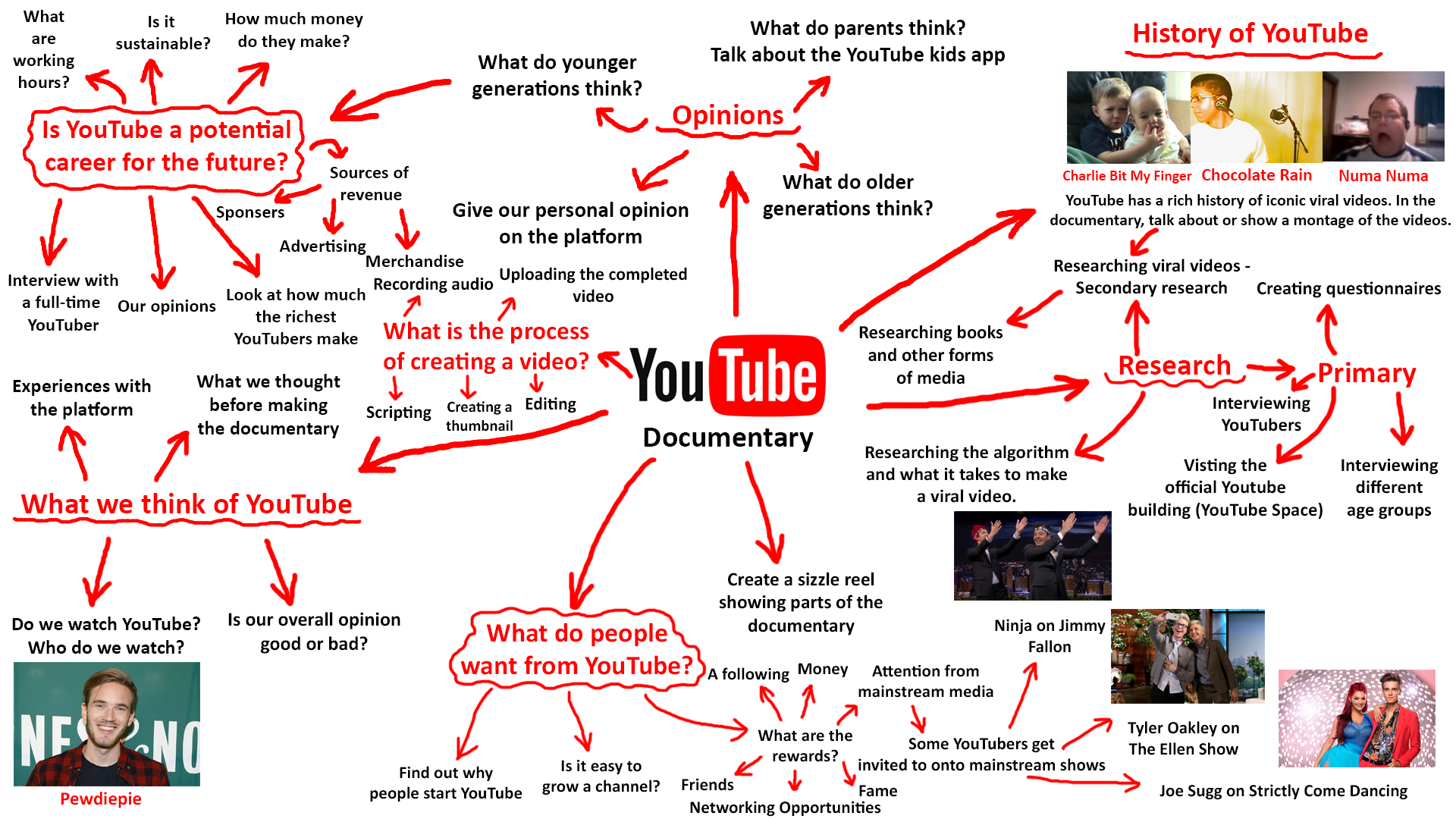
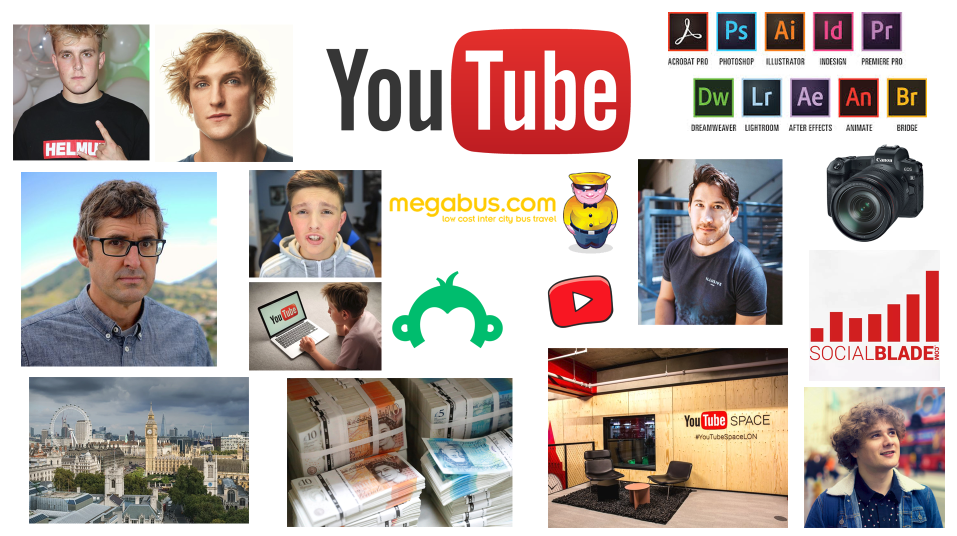


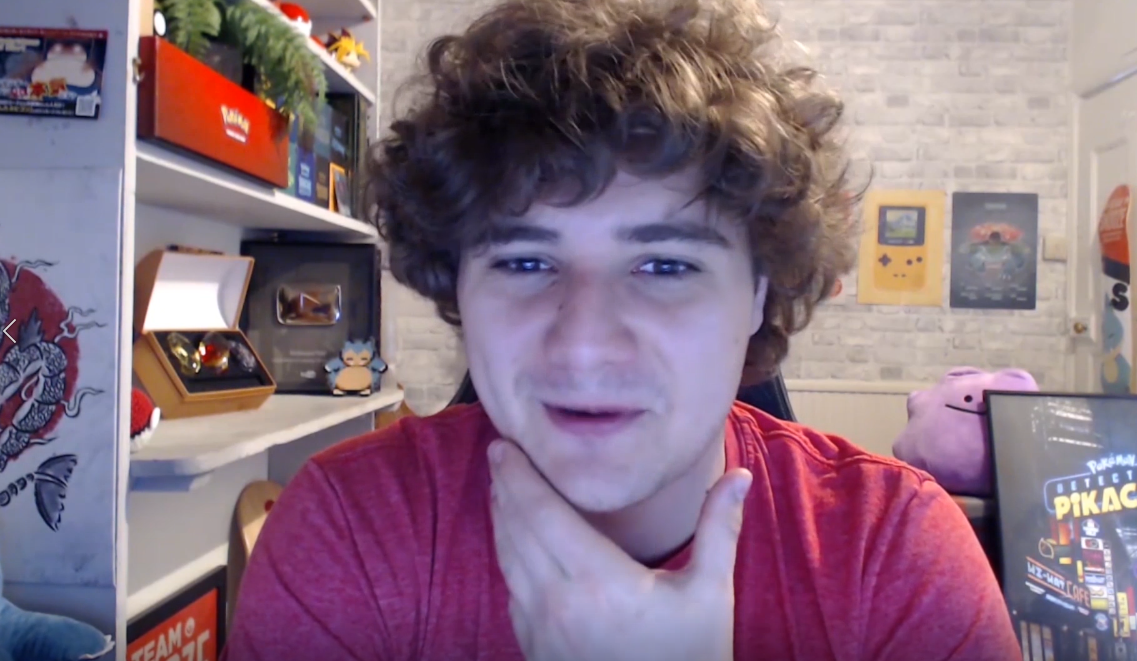
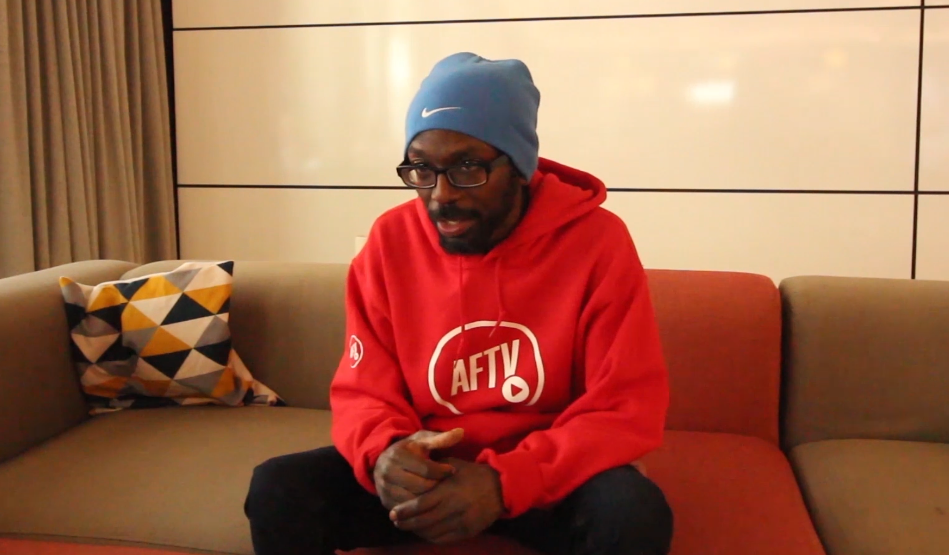
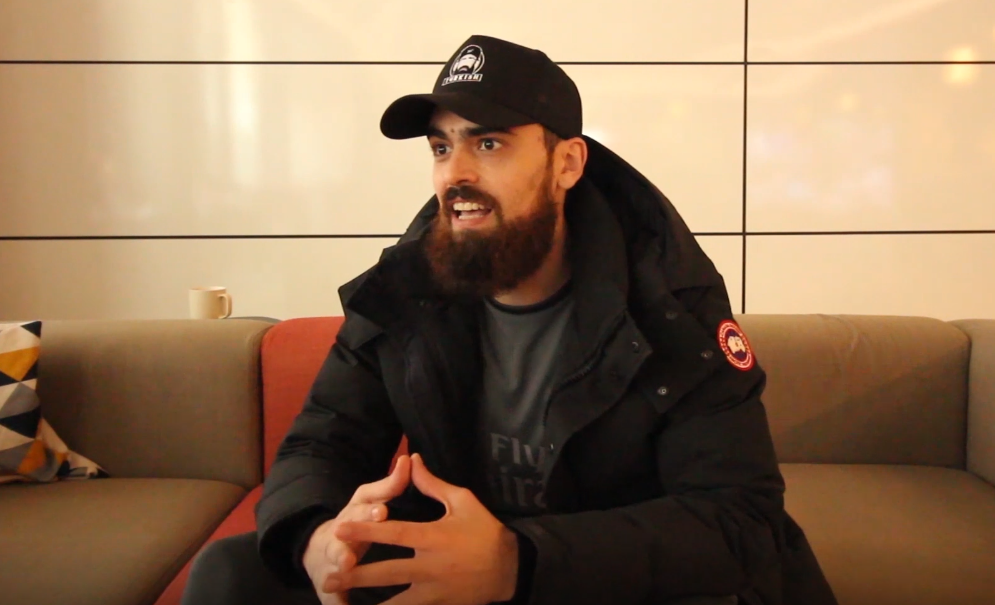



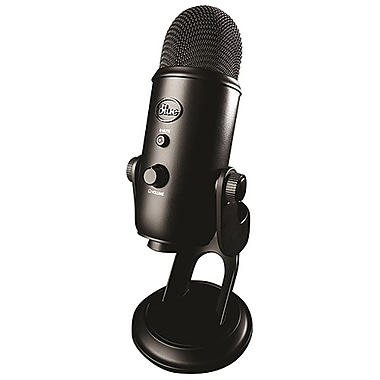
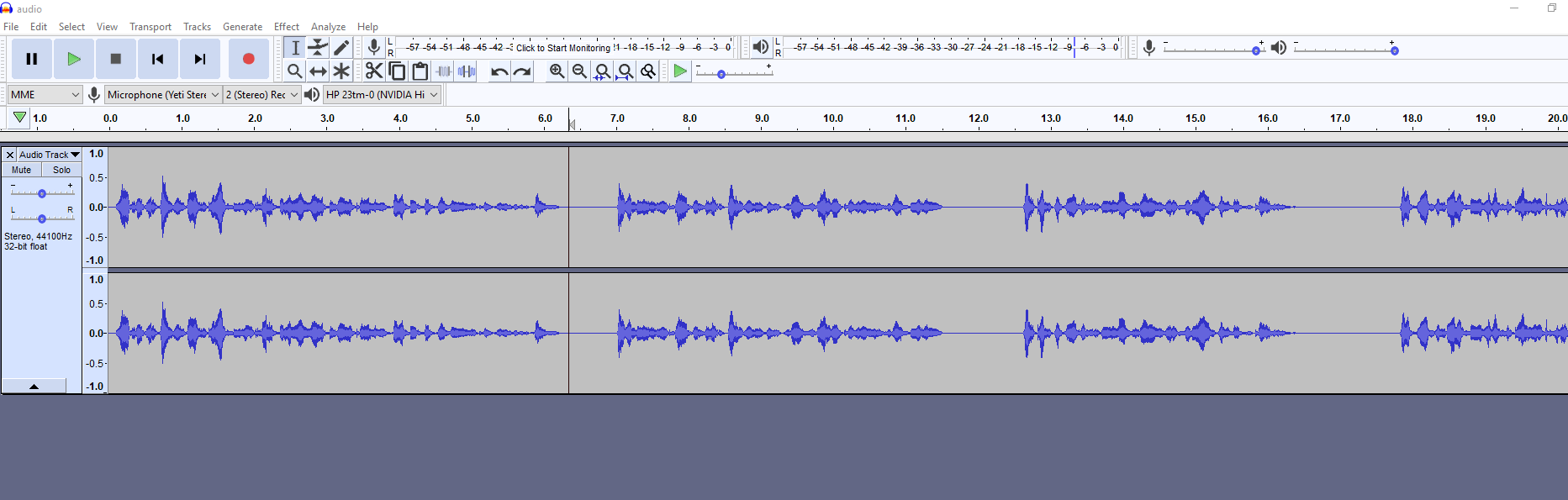


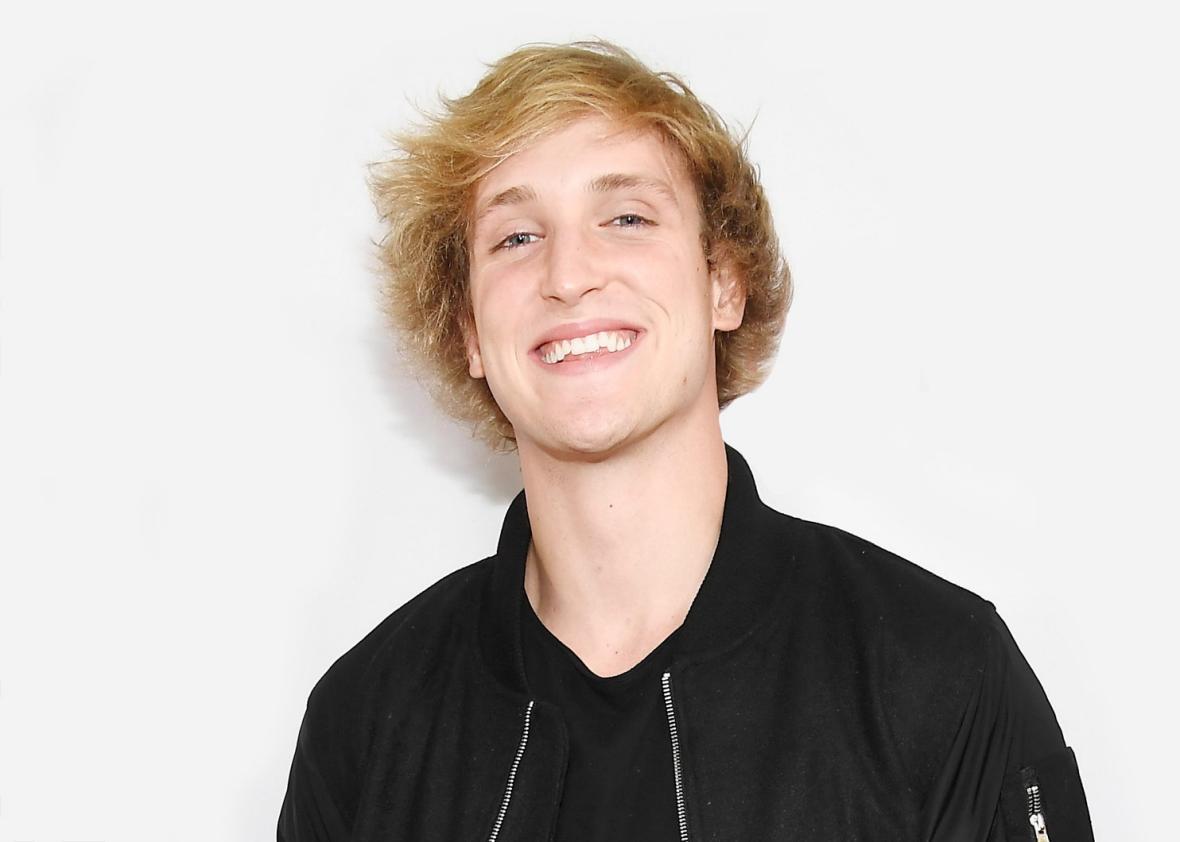


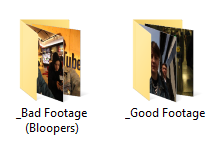


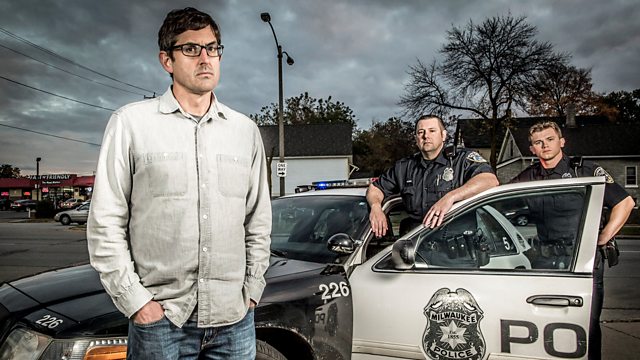


:max_bytes(150000):strip_icc()/KidSmartphone_TanyaLittle_Getty-56a6a5ab5f9b58b7d0e4232e.jpg)


 Dan Parfitt